

Skip to content

Supporting Loved Ones in Addiction | Wed. March 25th

  • Online Recovery
    • Quit Opioids
    • Including prescription pain medication and heroin
    • Suboxone
    • Insurance or self-pay
    • At-home drug screenings
    • Quit Kratom
    • Including 7-OH
    • Medication assistance
    • Insurance or self-pay
    • Whole-person care (anxiety, insomnia, etc.)
    • Quit Drinking
    • Campral
    • Naltrexone
    • Insurance or self-pay
    • 100% Online
    • Non-judgmental providers
    • Help with co-occurring disorders​
    • Recovery groups
    • Real people (No AI bots)
  • About Us
    • Our Research

    Advancing substance use treatment through rigorous, peer-reviewed research and actionable insights.

    • Our Mission

    Everyone deserves access to the gold standard of treatment, without judgment.

    • Growing Our Team

    Join us in transforming addiction treatment and improving lives through digital care.

    • Founded and operated by people in recovery since 2015
  • Resources
    • 33% of members were referred by friends or family
    Free Help Them Heal Guide
    • Articles
    • Member stories
    • Opioid addiction help
    • Suboxone Basics
    • Quit drinking
    • Naltrexone basics
    • For friends and family
    • Workit Health
    • Insurance checker
    • Locations
    • Reviews
    • Resources
    • Mental health apps
    • Helplines and support
    • Community in recovery
    • Medication resources
    • 32k+ App store reviews
    • 35k+ Members
    • 85% of Workit clinicians have supported a loved one
  • Make A Referral
    • Friends and Family

    For friends or family members supporting someone they care about.

    • Partners and Providers

    For healthcare professionals making a patient referral.

    • 33% of members were referred by friends or family
  • Partners
Book now
  • Culture, Sobriety Tips and Tools

What if I’m Not Ready to Stop? An Introduction to Harm Reduction

  • Fact Checked and Peer Reviewed
  • By Alaine Sepulveda

Recovery is different for everyone

Learn more about addiction, read stories of recovery, and find helpful tools on our blog.

Read more

What's your goal?

Join the 35k+ members who treated addiction via their phone

Boston Paul is a White man with a shaved head and a goatee, holding a small dog

Boston Paul’s Story

Workit Team
Close-up of a woman's smiling mouth. Her teeth are straight and white, and her long brown hair falls loose around her face.

Suboxone and Your Teeth

Alaine Sepulveda
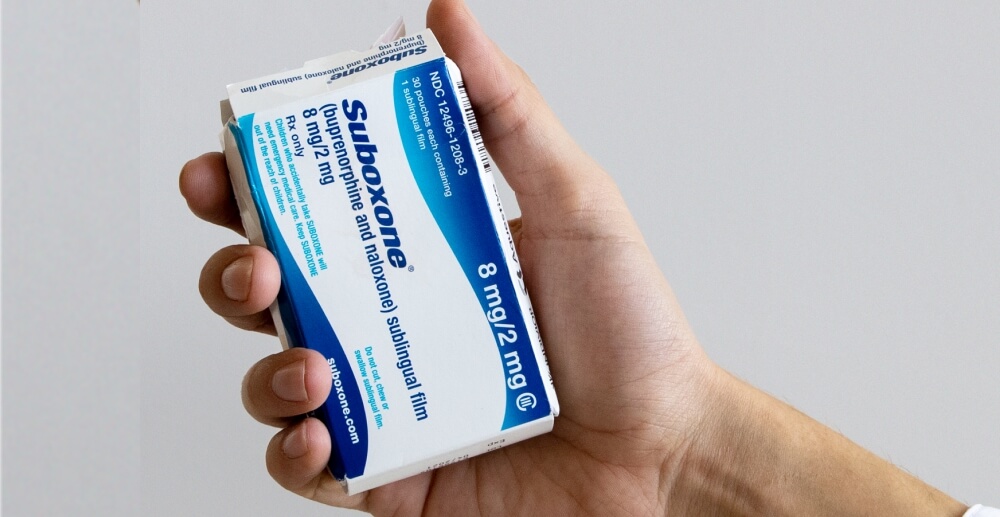
A hand holds a Suboxone box up to the camera

A Dangerous Myth: “Suboxone is Just Legal Heroin”

Olivia Pennelle

In this article

You shouldn’t have to suffer if you’re not ready to stop using substances or never want to stop.

If you grew up like me, education about drinking and drugs began and ended with, “Just say no!” There was an implicit understanding that people with substance use disorder or alcohol use disorder were flawed, failed, foul. Their only choices were to quit for good, or suffer negative consequences and eventually die from their use. That’s the perspective I learned as a child and, to a large extent, still see around me. It is both damaging and wrong. The prevalence of this kind of thinking has led to policies that increase danger and suffering for people who use substances and exacerbate those dangers for people of color.

No matter why someone is using substances, they deserve to be treated with human dignity and respect. And if they don’t want to, aren’t ready to, or aren’t able to stop using substances, it’s possible (and ethically vital) to make things safer for them and reduce the harms of drug use. So what is harm reduction, and what does it look like in practice?

We already practice harm reduction in many other areas.

At its core, harm reduction is exactly what it says: reducing harm. Limiting damage. Lowering the risks. Many people assume that the damage from substance use is inevitable, but that’s not actually the case. Many of the harms of drug use can be reduced or mitigated.

Think about other areas of our lives where we try to limit the danger from activities. For example, when someone plays football, we don’t shrug and say that they deserve bruises, broken bones, and concussions. We try to make the activity safer with helmets, pads, and guidelines for safer play. Drivers and passengers wear seatbelts in cars to reduce the risk of death and injury from vehicle accidents. Runners stretch before and after exercise to limit the danger to muscles and ligaments. These precautions are seen as normal. Common sense.

There are also things we can do to make drug and alcohol use less dangerous. In time, maybe they’ll be seen as common sense, too.

Harm reduction saves lives.

It’s widely accepted that using alcohol and illicit drugs can be deadly. But most people don’t realize how many of those deaths could be avoided. For example, in 2019 there were 49,860 opioid overdose deaths in the US. That’s a huge number, and it’s more tragic when you realize that there is a rescue medication (naloxone, brand name Narcan) that can reverse opioid overdose. Tens of thousands of lives could have been saved if this medication were more widely understood and administered.

We’ve all heard the warnings that IV drug use spreads HIV, hepatitis, and other infections and illnesses. But those dangers come almost entirely from sharing needles, reusing old sharps, and contaminated drug supply. Needle exchange and syringe services programs dramatically decrease infection rates among IV drug users. Drug-checking programs and making fentanyl testing strips available can help to identify what’s in a substance, reducing the risk of taking an unknown drug, or a drug that has been contaminated with something else.

When talking about alcohol-related deaths, Americans often focus on the dangers of driving under the influence. Having a designated driver is a popular (and important) harm-reduction strategy for limiting that danger. But beyond car accidents, the CDC reports that 95,000 people die from excessive alcohol use each year. The focus on “getting sober” and staying 100% abstinent means that many don’t realize that medication-assisted treatment for alcohol is available to help people control the amount they drink.

Let go of the sense of superiority and need to punish.

Part of the resistance to harm reduction is that some people fear that if we make using drugs less deadly, more people will use them. That drug overdose deaths are somehow the price we must pay to discourage more people from using. This is not only a cruel perspective, but evidence from places that implement harm-reduction strategies has proven that it’s not true. In Europe, supervised consumption sites give drug users a clean, safe place to use, where someone will be readily available to help and call for medical care in case of overdose. This is a huge reduction in risk over using alone on the street. Despite these improved conditions, cities with supervised consumption sites have not seen an increase in use. No one is excitedly embarking on using IV drugs just because there is a place to do so under medical supervision. These cities do see fewer drug-related deaths, infections, and overdoses, though.

Another factor in public resistance to harm reduction is the stigma of substance use. There are some who think that people who use substances deserve any suffering they get. There is a desire to punish, rather than help. It’s extremely sad, and it’s damaging our country—costing us lives, relationships, and billions of dollars each year. This has been worsened by our nation’s failed War on Drugs. There’s not a simple fix to this attitude, but education is a start. The more one knows about substance use and the people who engage in it, the harder it is to judge them, or to assume that everyone is the same.

There are actions you can take.

Harm reduction for opioid use:

  • Don’t use alone. If you don’t have someone who can be present while you’re using, Neverusealone.com—also accessible on Facebook or at 1-800-484-3731 (backup number: 931-304-9452)—is available to people in the continental United States who are using substances alone. They can call for emergency medical care if necessary.
  • Have naloxone on hand. As I mentioned above, naloxone can reverse an opioid overdose. Narcan is available at most pharmacies, and you can also check to see if there is free naloxone distribution in your area. In 2023, Narcan became approved for sale over the counter, without a prescription. Even if you personally use a drug other than opioids, being prepared for someone else’s overdose or for encountering a contaminated drug supply is worth it.
  • If you inject, don’t share needles. Sterile syringes significantly reduce the risk of contracting an infectious disease from IV drug use. If you are having trouble getting new needles, check to see if there is a needle or syringe exchange near you.
  • Test your supply for fentanyl if you can. Overdoses are on the rise from people unknowingly using substances containing fentanyl. In some parts of the US, fentanyl testing strips are restricted or illegal, but in other places they’re readily available. Use a search engine to find out if they’re available to you or if there is a harm reduction organization in your area that distributes them.
  • Consider seeking treatment. Once, all treatment was abstinence-based. That kept people from seeking help if they weren’t interested in quitting entirely. But now you can get support to help you manage your use, even if you don’t want to quit. And if you do want to quit, medication-assisted treatment can make that goal much more attainable.

Harm reduction for alcohol use:

  • Drink plenty of water. Just because you’re drinking alcohol doesn’t mean you have to drink nothing but alcohol. Drinking water between alcoholic beverages will help you pace yourself and stave off the dehydration that makes hangovers so miserable.
  • Don’t drink on an empty stomach. Food—especially heavy, fatty food—will help slow your alcohol absorption rate a bit.
  • Have a designated driver. Or book a rideshare. Just don’t get behind the wheel after drinking, even if you think you’re fine.
  • Don’t try to match or beat someone else’s drinking. Sometimes people get oddly competitive about their alcohol tolerance and proud of “handling their liquor.” This can lead to dangerous alcohol consumption. Don’t try to compete.
  • Have a plan ahead of time. Set a drink budget and stick to it (perhaps by only carrying that amount of cash on you). Or decide how many drinks you’ll have before you go and ask a friend to help you stick to that limit.
  • Look into medication-assisted treatment. Naltrexone can help control your drinking and reduce heavy drinking days. You don’t have to give up alcohol to use naltrexone. If you do want to stop drinking, naltrexone can also be incorporated into an abstinence-based program.

There is another important harm reduction action you can take: educate yourself. Check out a list of harm reduction policies, and consider reaching out to your elected officials to support them. Pay attention to the words you use when you talk about alcohol and substance use, and commit to using less stigmatizing language, out loud and to yourself.

If you’re not ready to quit or never want to quit, that’s your choice. You still deserve respect and protection as much as anyone else. And if you are ready to quit or reduce your substance use, there are treatment programs like Workit Health that take a harm reduction approach, who are ready to help you.

Alaine Sepulveda is a content strategist in recovery from alcohol. She believes that engaging people and sharing stories with them allows us to spread knowledge, and to help others in the path to recovery. She holds an MA in Communication Studies from New Mexico State University.

PrevHow to Create a Recovery Routine
How to Feel Happy After Opioid AddictionNext

Any general advice posted on our blog, website, or app is for informational purposes only and is not intended to replace or substitute for any medical or other advice. Workit Health, Inc. and its affiliated professional entities make no representations or warranties and expressly disclaim any and all liability concerning any treatment, action by, or effect on any person following the general information offered or provided within or through the blog, website, or app. If you have specific concerns or a situation arises in which you require medical advice, you should consult with an appropriately trained and qualified medical services provider.

Top

Get the latest recovery news

Instagram Linkedin-in Facebook-f Youtube
    • Treatments
    • Opioids
    • Kratom
    • Alcohol


  • About Workit Health
  • Contact us
  • Our team
  • Media spotlight
  • Careers
  • We Accept Insurance
  • Check insurance
  • Aetna
  • Anthem of Ohio
  • Horizon BCBSNJ
  • Humana
  • Resources
  • What is harm reduction?
  • Addiction recovery resources
  • Suboxone FAQs
  • Blog
  • Friends and Family
  • Resources for friends and family
  • Help Them Heal Guide
  • Refer a loved one
  • Members
  • Login
  • Community
  • Medical records request form
  • Medical Records Fax: 833-923-0584
  • Tech support guides
  • Call us: 855-659-7734 M-F 8am-9pm EST
    • Partners
    • Make a referral
    • For health plans
    • For providers and hospitals
    • Third-party medical records requests
Treatments
    • Opioids
    • Kratom
    • Alcohol
About Us
  • Contact us
  • Our team
  • Media spotlight
  • Careers
Resources
  • What is harm reduction?
  • Addiction recovery resources
  • Suboxone FAQs
  • Blog
Insurance
  • Check insurance
  • Aetna
  • Anthem of Ohio
  • Horizon BCBSNJ
  • Humana
Members
  • Login
  • Community
  • Medical records request form
  • Medical Records Fax: 833-923-0584
  • Tech support guides
  • Call us: 855-659-7734
    M-F 8am-9pm EST
Resources
  • What is harm reduction?
  • Addiction recovery resources
  • Suboxone FAQs
  • Blog
Friends and Family
  • Resources for friends and family
  • Help Them Heal Guide
Partners
    • Make a referral
    • For health plans
    • For providers and hospitals
    • Third-party medical records requests
Locations
  • Arizona
  • California
  • Florida
  • Illinois
  • Michigan
  • Montana
  • New Jersey
  • New Mexico
  • North Carolina
  • Ohio
  • Oklahoma
  • Texas
  • Washington
Read more about Suboxone risks and concerns

Suboxone (buprenorphine/naloxone) is indicated for the treatment of opioid dependence in adults. Suboxone should not be taken by individuals who have been shown to be hypersensitive to buprenorphine or naloxone as serious adverse reactions, including anaphylactic shock, have been reported. Taking Suboxone (buprenorphine/naloxone) with other opioid medicines, benzodiazepines, alcohol, or other central nervous system depressants can cause breathing problems that can lead to coma and death. Other side effects may include headaches, nausea, vomiting, constipation, insomnia, pain, increased sweating, sleepiness, dizziness, coordination problems, physical dependence or abuse, and liver problems. For more information about Suboxone (buprenorphine/naloxone) see Suboxone.com, the full Prescribing Information, and Medication Guide, or talk to your healthcare provider. You are encouraged to report negative side effects of drugs to the FDA. Visit www.fda.gov/medwatch or call 1-800-FDA-1088.

All clinical and medical services are provided by licensed physicians and clinicians who are practicing as employees or contractors of independently owned and operated professional medical practices that are owned by licensed physicians. These medical practices include Workit Health (MI), PLLC; Workit Health (CA), P.C.; Workit Health (NJ), LLC; Workit Health (OH), LLC; Virtual Physician Practice (NY), PLLC; and any other Workit Health professional entity that is established in the future.

Clinic locations

Arizona
2501 N Hayden Rd.
Ste 103
Scottsdale, AZ 85257
fax (HIPAA): (833) 664-5441

California
1460 Maria Lane
Ste 300
Walnut Creek, CA 94596
fax (HIPAA): (855) 716-4494

Florida
600 Heritage Dr.
Ste 210, #17
Jupiter, FL 33458
fax (HIPAA): (813) 200-2822

Illinois
1280 Iroquois Ave
Ste 402
Naperville, IL 60563
fax (HIPAA): (855) 716-4494

Michigan
3300 Washtenaw Ave
Ste 280
Ann Arbor, MI 48104
fax (HIPAA): (855) 716-4494

Montana
415 N Higgins Ave
Ste 6
Missoula, MT 59802
fax (HIPAA): (855) 716-4494

New Jersey
5 Greentree Center
Ste 117
Marlton, NJ 08053
fax (HIPAA): (609) 855-5027

New Mexico
5901 Indian School Road, NE
Ste 212
Albuquerque, NM 87110
fax (HIPAA): (855) 716-4494

North Carolina
3719 Latrobe Drive
Ste 850-M
Charlotte, NC 28211-4827
fax (HIPAA): (855) 716-4494

Ohio
6855 Spring Valley Dr
Ste 110
Holland, OH 43528
fax (HIPAA): (513) 823-3247

Oklahoma
1010 24th Ave NW
Suite 100
Norman, OK 73069
fax (HIPAA): (855) 716-4494

Texas
5373 W Alabama St
Ste 204
Houston, TX 77056
fax (HIPAA): (737) 738-5046

Washington
9116 Gravelly Lake Dr SW
Ste 107 #3, PMB 1963
Lakewood, WA 98499-3148.
fax (HIPAA): (833) 328-1407

AICPA SOC

Terms of Service

Privacy Policy

Notice of Privacy Practice

View Accessibility Statement

© 2026 Workit Health. All rights reserved.

Not ready to start? We'll send you more information:

  • Workit Health

    When I opt in, Workit Health will send information about their program and recovery resources.

    *I agree to receive marketing and member care messages by email. Messaging frequency varies. I can unsubscribe at any time.

    **I agree to receive marketing and member care messages by text (SMS). Messaging frequency varies. Message and data rates may apply. I can opt out at any time by replying STOP. I can reply HELP to receive support. If I do not consent to receive SMS, and Workit Health is unable to reach me by email, I understand that they will not be able to contact me by text.

    Carriers are not liable for delayed or undelivered messages.

    View our Privacy Policy, Terms of Service, and Consent to SMS and Email.

  • Should be Empty:

This site uses cookies to improve your experience. By using this site, you consent to our use of cookies.

Accept Cookies