

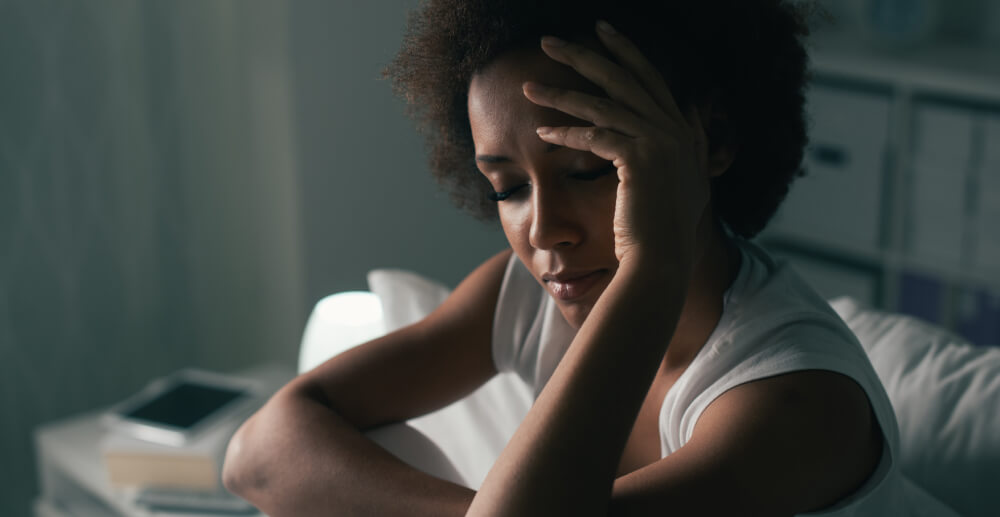

I’ve struggled with anxiety my whole life, to varying degrees. My earliest memory was being dropped off at school and not wanting to leave my mom’s side because I was terrified of meeting new kids. That anxiety has never really gone away, but it is considerably easier to deal with the longer I’ve been in recovery—that’s something I wish I’d known many years earlier.
Alcohol and anxiety
I used to drink to quell my anxiety and relieve my depression. While it temporarily worked to alleviate social anxiety, numb my senses, and gave me a dose of feel-good chemicals, those effects were short-lived. But that didn’t stop me from chasing those feelings all night.
It’s an illusion to think that alcohol can self-medicate anxiety and depression. Writer Laura McKowen sums it up rather aptly. She says, “Drinking alcohol is like pouring gasoline on your anxiety.” She’s right. I made myself sick trying to relieve my anxiety and depression. I just got more drunk and was significantly more depressed and anxious for the next two days. I wish I knew my anxiety and depression would become more manageable if I just stopped the rollercoaster caused by self-medicating my anxiety and depression with substances.
Anxiety in recovery
I’d be lying if I told you that anxiety goes away when you get sober. It doesn’t, but it does improve considerably, as did my depression and my ability to cope. However, it’s still something that affects me, and it’s taken a few years to figure out why and learn how to manage it.
I learned a few years ago, at around eight years in recovery, that my anxiety is a feature of neurodivergence, as I experience it predominantly in social situations. I still have symptoms of generalized anxiety, like not being able to sleep if I’m worried about something, but not to the same level as neurodivergent-related symptoms.
Social anxiety is the fear of what to expect in social situations, feeling under pressure to say the right thing, not wanting to be put on the spot, and feeling uncomfortable in new environments. I am hyper-aware of everything. My senses are heightened. Things can sometimes feel bright and loud. I’m aware of strong smells—people’s perfume or aftershave, food smells, and artificial fragrances give me a migraine.
Sometimes, if I’m feeling unwell or tired, the combined sensory inputs can overload my brain, especially if I’m in an environment with a lot of people talking at the same time. At its worst, I experience this sensation of anxiety rising from my belly to my neck, by which time it transforms into panic. Then I feel like I can’t breathe, and have to leave immediately. Usually, that’s followed by bursting into tears.
While I have become very skilled at managing my anxiety so that it doesn’t get too much, it can still be exhausting, and I’ve had to create a life with lots of restorative activities and downtime.
The other key difference is that now, when I socialize, I’m not crippled by anxiety because I’m worried about what I did the night before when I was drunk. I can also choose what I engage in and when I stay home. I have no qualms about leaving events early or changing my mind at the last minute. That’s the beauty of recovery: we learn to do life in a way that honors our needs.
Tips for managing anxiety
Other ways I manage my anxiety include:
- Exercise: I find higher intensity exercise or weight lifting most beneficial. Recently, I’ve been recovering from surgery and have only been able to walk. It’s the most accessible activity and still helps to relieve stress and regulate my brain and emotions.
- Meditation: I practice different types of meditation depending on the day. Sometimes that might look like a Yoga Nidra meditation, a minute-by-minute mindfulness meditation, or a guided meditation led by someone like Sarah Blondin.
- Therapy: The most powerful tool for my recovery has been therapy. My therapist serves as a self-check in every week, and my recovery improved considerably when I started therapy at five years sober. I learned so much about how my brain works. I’ve unpacked unhelpful thinking patterns, unraveled and processed trauma, and learned how to cope with life without turning to destructive coping strategies.
- Medication: I take mental health medication, as prescribed, that lessens the impact of anxiety and depression daily. I also have medication that I can take if I have a panic attack.
- DBT: Dialectical behavioral therapy is such a helpful and practical way to deal with distress. I cannot recommend it enough. I love how empowering it is to apply these tools and techniques to everyday life.
- Limit caffeine: Just like alcohol, too much caffeine adds fuel to my anxiety. I limit myself to a cup of coffee in the morning with food, and maybe one or two cups of tea throughout the day. I have a hard stop at 2 pm; otherwise, it affects my sleep quality.
- Stress reduction: I am most anxious when I feel overworked and stressed. I am intentional about actively reducing the stress in my life and considering what I have on my plate before committing to anything else.
- Prioritize restoration: I schedule a people-free day every week and a couple of hours to unwind on most days. I also engage in other restorative activities, like gardening, being in nature, spending time with my dog, reading, and doing things that bring me joy.