

Skip to content

Supporting Loved Ones in Addiction | Wed. March 25th

  • Online Recovery
    • Quit Opioids
    • Including prescription pain medication and heroin
    • Suboxone
    • Insurance or self-pay
    • At-home drug screenings
    • Quit Kratom
    • Including 7-OH
    • Medication assistance
    • Insurance or self-pay
    • Whole-person care (anxiety, insomnia, etc.)
    • Quit Drinking
    • Campral
    • Naltrexone
    • Insurance or self-pay
    • 100% Online
    • Non-judgmental providers
    • Help with co-occurring disorders​
    • Recovery groups
    • Real people (No AI bots)
  • About Us
    • Our Research

    Advancing substance use treatment through rigorous, peer-reviewed research and actionable insights.

    • Our Mission

    Everyone deserves access to the gold standard of treatment, without judgment.

    • Growing Our Team

    Join us in transforming addiction treatment and improving lives through digital care.

    • Founded and operated by people in recovery since 2015
  • Resources
    • 33% of members were referred by friends or family
    Free Help Them Heal Guide
    • Articles
    • Member stories
    • Opioid addiction help
    • Suboxone Basics
    • Quit drinking
    • Naltrexone basics
    • For friends and family
    • Workit Health
    • Insurance checker
    • Locations
    • Reviews
    • Resources
    • Mental health apps
    • Helplines and support
    • Community in recovery
    • Medication resources
    • 32k+ App store reviews
    • 35k+ Members
    • 85% of Workit clinicians have supported a loved one
  • Make A Referral
    • Friends and Family

    For friends or family members supporting someone they care about.

    • Partners and Providers

    For healthcare professionals making a patient referral.

    • 33% of members were referred by friends or family
  • Partners
Book now
  • Culture, Stories Of Recovery
  • featured, holidays, judaism

Jewish Community and Tradition in Recovery

  • Fact Checked and Peer Reviewed
  • By Dom Erdheim

Ready to make a change?

Get help for alcohol use directly through your phone.​

Learn more

What's your goal?

Join the 35k+ members who treated addiction via their phone

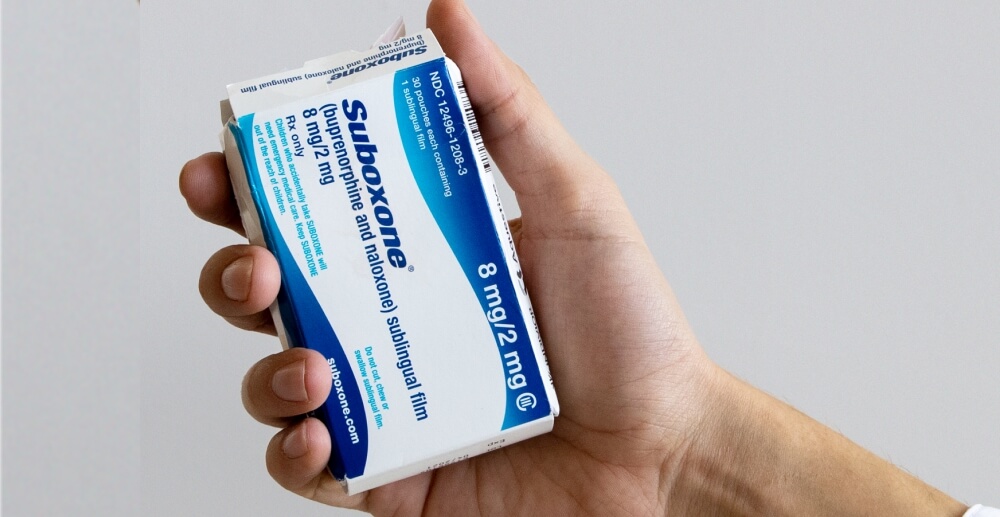
A hand holds a Suboxone box up to the camera

A Dangerous Myth: “Suboxone is Just Legal Heroin”

Olivia Pennelle
A young man in a white t-shirt looks at himself in the mirror

Self-Care in Early Recovery

Alaine Sepulveda
Closeup on hands holding a smartphone

Drink Tracking Apps: Can They Help Reduce Your Drinking?

Olivia Pennelle

In this article

It’s that time of year again! Over the next few months, many Jewish people will prepare for a stretch of holidays that celebrate resilience, honor tradition, and give thanks for renewal. All of these holidays invite people to share in food, prayer, community togetherness, and largely, have quite the emphasis on drinking. 

Ritual and tradition around holidays often include drinking 

Purim, a holiday that commemorates triumph over adversity when Persian rulers sentenced all Jewish people to death, typically involves a festival that is what non-Jewish people would liken to Halloween. Though there are many cultural customs, children will typically dress up in costumes, listen to the story of Esther, and eat candy and special cookies called Hamantaschen. For the adults, there is a Talmudic tradition to consume so much alcohol you cannot tell the difference between Haman (the bad guy) and Mordecai (one of the heroes of the story). 

The next holiday that takes place on the Jewish Calendar in Nisan, or early April this year, is Passover. Passover famously memorializes the exile of Jewish people out of Egypt—think Prince of Egypt from the early 90s. Throughout the course of the Seder, which is a ritual meal, you drink four glasses of wine. Different people have various interpretations of the meanings of the four glasses of wine, such as the freedom from four different exiles, or the four elements that remind us our true liberation lies in the harmony of balance. 

So you can see, with these two spring holidays alone, comes a lot of casual and ritualized drinking.

I feared my sobriety would be a barrier to my faith

When I converted to Reconstructionist Judaism I found myself being fearful to not participate in all the Mitzvahs, or commandments, to the letter. I was afraid that if I didn’t do certain parts of the traditions or rituals then I wouldn’t feel Jewish enough. Despite having gone through a lengthy and studious conversion process, I worried: If I don’t drink wine on Shabbos and I can totally tell the difference between Haman and Mordecai on Purim, am I doing Judaism wrong? The commonly held belief that once a person converts to Judaism, they are to be treated as though they were always Jewish didn’t feel like enough security for me at the time. 

Then I turned to my local synagogue, Congregation T’Chiyah. There I found a community that not only made room for my sobriety but actually celebrated it. From hosting weekly recovery meetings, having Shabbos dinner with other sober folks, always having grape juice readily available to take the place of wine, and even making this year’s Purim party alcohol-free to honor sober congregants, my synagogue has made sure that I feel welcomed and a part of each celebration and Shabbat. 

I’ve learned that my faith supports my recovery

In my ongoing learning of Judaism, I discovered that my Jewishness wasn’t dependent on anything other than my love for being Jewish. Though my observance is really important to my identity, self-care, and sobriety, no lack of observance could make me less Jewish at this point. Something I have been delighted to learn is that Jewish people are committed to making mitzvahs accessible. Even if you are unable to participate, we are committed to making sure you know that’s okay. 

One of the most important commandments is Sh’mirat haguf, which roughly translates to “guarding the body.” The expectation for all Jewish people, regardless of observance, is that you first and foremost care for your body both spiritually and physically … and this includes us sober people. So if there’s anything you take away from this time of year I hope it is this: One of the most Jewish things you can do is care for your body. Community is out there waiting to honor all of who you are with tradition, and grape juice is still the “fruit of the vine.”

Dom Erdheim is a lover of all things harm reduction, a youth worker, sex educator, sober person, and animal parent. Dom has been working with LGBTQ+ people and teaching sex education on and off for 10 years. When they are not going on hikes with their dogs, they are playing board games with their wife or obsessing over their garden. Most importantly, they consider themselves a donut enthusiast.

PrevDoes Aetna Require Prior Authorization for Suboxone?
4 Things I’ve Learned From Having Loved Ones Who Struggled With AddictionNext

Any general advice posted on our blog, website, or app is for informational purposes only and is not intended to replace or substitute for any medical or other advice. Workit Health, Inc. and its affiliated professional entities make no representations or warranties and expressly disclaim any and all liability concerning any treatment, action by, or effect on any person following the general information offered or provided within or through the blog, website, or app. If you have specific concerns or a situation arises in which you require medical advice, you should consult with an appropriately trained and qualified medical services provider.

Top

Get the latest recovery news

Instagram Linkedin-in Facebook-f Youtube
    • Treatments
    • Opioids
    • Kratom
    • Alcohol


  • About Workit Health
  • Contact us
  • Our team
  • Media spotlight
  • Careers
  • We Accept Insurance
  • Check insurance
  • Aetna
  • Anthem of Ohio
  • Horizon BCBSNJ
  • Humana
  • Resources
  • What is harm reduction?
  • Addiction recovery resources
  • Suboxone FAQs
  • Blog
  • Friends and Family
  • Resources for friends and family
  • Help Them Heal Guide
  • Refer a loved one
  • Members
  • Login
  • Community
  • Medical records request form
  • Medical Records Fax: 833-923-0584
  • Tech support guides
  • Call us: 855-659-7734 M-F 8am-9pm EST
    • Partners
    • Make a referral
    • For health plans
    • For providers and hospitals
    • Third-party medical records requests
Treatments
    • Opioids
    • Kratom
    • Alcohol
About Us
  • Contact us
  • Our team
  • Media spotlight
  • Careers
Resources
  • What is harm reduction?
  • Addiction recovery resources
  • Suboxone FAQs
  • Blog
Insurance
  • Check insurance
  • Aetna
  • Anthem of Ohio
  • Horizon BCBSNJ
  • Humana
Members
  • Login
  • Community
  • Medical records request form
  • Medical Records Fax: 833-923-0584
  • Tech support guides
  • Call us: 855-659-7734
    M-F 8am-9pm EST
Resources
  • What is harm reduction?
  • Addiction recovery resources
  • Suboxone FAQs
  • Blog
Friends and Family
  • Resources for friends and family
  • Help Them Heal Guide
Partners
    • Make a referral
    • For health plans
    • For providers and hospitals
    • Third-party medical records requests
Locations
  • Arizona
  • California
  • Florida
  • Illinois
  • Michigan
  • Montana
  • New Jersey
  • New Mexico
  • North Carolina
  • Ohio
  • Oklahoma
  • Texas
  • Washington
Read more about Suboxone risks and concerns

Suboxone (buprenorphine/naloxone) is indicated for the treatment of opioid dependence in adults. Suboxone should not be taken by individuals who have been shown to be hypersensitive to buprenorphine or naloxone as serious adverse reactions, including anaphylactic shock, have been reported. Taking Suboxone (buprenorphine/naloxone) with other opioid medicines, benzodiazepines, alcohol, or other central nervous system depressants can cause breathing problems that can lead to coma and death. Other side effects may include headaches, nausea, vomiting, constipation, insomnia, pain, increased sweating, sleepiness, dizziness, coordination problems, physical dependence or abuse, and liver problems. For more information about Suboxone (buprenorphine/naloxone) see Suboxone.com, the full Prescribing Information, and Medication Guide, or talk to your healthcare provider. You are encouraged to report negative side effects of drugs to the FDA. Visit www.fda.gov/medwatch or call 1-800-FDA-1088.

All clinical and medical services are provided by licensed physicians and clinicians who are practicing as employees or contractors of independently owned and operated professional medical practices that are owned by licensed physicians. These medical practices include Workit Health (MI), PLLC; Workit Health (CA), P.C.; Workit Health (NJ), LLC; Workit Health (OH), LLC; Virtual Physician Practice (NY), PLLC; and any other Workit Health professional entity that is established in the future.

Clinic locations

Arizona
2501 N Hayden Rd.
Ste 103
Scottsdale, AZ 85257
fax (HIPAA): (833) 664-5441

California
1460 Maria Lane
Ste 300
Walnut Creek, CA 94596
fax (HIPAA): (855) 716-4494

Florida
600 Heritage Dr.
Ste 210, #17
Jupiter, FL 33458
fax (HIPAA): (813) 200-2822

Illinois
1280 Iroquois Ave
Ste 402
Naperville, IL 60563
fax (HIPAA): (855) 716-4494

Michigan
3300 Washtenaw Ave
Ste 280
Ann Arbor, MI 48104
fax (HIPAA): (855) 716-4494

Montana
415 N Higgins Ave
Ste 6
Missoula, MT 59802
fax (HIPAA): (855) 716-4494

New Jersey
5 Greentree Center
Ste 117
Marlton, NJ 08053
fax (HIPAA): (609) 855-5027

New Mexico
5901 Indian School Road, NE
Ste 212
Albuquerque, NM 87110
fax (HIPAA): (855) 716-4494

North Carolina
3719 Latrobe Drive
Ste 850-M
Charlotte, NC 28211-4827
fax (HIPAA): (855) 716-4494

Ohio
6855 Spring Valley Dr
Ste 110
Holland, OH 43528
fax (HIPAA): (513) 823-3247

Oklahoma
1010 24th Ave NW
Suite 100
Norman, OK 73069
fax (HIPAA): (855) 716-4494

Texas
5373 W Alabama St
Ste 204
Houston, TX 77056
fax (HIPAA): (737) 738-5046

Washington
9116 Gravelly Lake Dr SW
Ste 107 #3, PMB 1963
Lakewood, WA 98499-3148.
fax (HIPAA): (833) 328-1407

AICPA SOC

Terms of Service

Privacy Policy

Notice of Privacy Practice

View Accessibility Statement

© 2026 Workit Health. All rights reserved.

Not ready to start? We'll send you more information:

  • Workit Health

    When I opt in, Workit Health will send information about their program and recovery resources.

    *I agree to receive marketing and member care messages by email. Messaging frequency varies. I can unsubscribe at any time.

    **I agree to receive marketing and member care messages by text (SMS). Messaging frequency varies. Message and data rates may apply. I can opt out at any time by replying STOP. I can reply HELP to receive support. If I do not consent to receive SMS, and Workit Health is unable to reach me by email, I understand that they will not be able to contact me by text.

    Carriers are not liable for delayed or undelivered messages.

    View our Privacy Policy, Terms of Service, and Consent to SMS and Email.

  • Should be Empty:

This site uses cookies to improve your experience. By using this site, you consent to our use of cookies.

Accept Cookies