

Skip to content

Supporting Loved Ones in Addiction | Wed. March 25th

  • Online Recovery
    • Quit Opioids
    • Including prescription pain medication and heroin
    • Suboxone
    • Insurance or self-pay
    • At-home drug screenings
    • Quit Kratom
    • Including 7-OH
    • Medication assistance
    • Insurance or self-pay
    • Whole-person care (anxiety, insomnia, etc.)
    • Quit Drinking
    • Campral
    • Naltrexone
    • Insurance or self-pay
    • 100% Online
    • Non-judgmental providers
    • Help with co-occurring disorders​
    • Recovery groups
    • Real people (No AI bots)
  • About Us
    • Our Research

    Advancing substance use treatment through rigorous, peer-reviewed research and actionable insights.

    • Our Mission

    Everyone deserves access to the gold standard of treatment, without judgment.

    • Growing Our Team

    Join us in transforming addiction treatment and improving lives through digital care.

    • Founded and operated by people in recovery since 2015
  • Resources
    • 33% of members were referred by friends or family
    Free Help Them Heal Guide
    • Articles
    • Member stories
    • Opioid addiction help
    • Suboxone Basics
    • Quit drinking
    • Naltrexone basics
    • For friends and family
    • Workit Health
    • Insurance checker
    • Locations
    • Reviews
    • Resources
    • Mental health apps
    • Helplines and support
    • Community in recovery
    • Medication resources
    • 32k+ App store reviews
    • 35k+ Members
    • 85% of Workit clinicians have supported a loved one
  • Make A Referral
    • Friends and Family

    For friends or family members supporting someone they care about.

    • Partners and Providers

    For healthcare professionals making a patient referral.

    • 33% of members were referred by friends or family
  • Partners
Book now
  • Sobriety Tips and Tools
  • family, Relationships

How To Tell Your Family About Your Addiction

  • Fact Checked and Peer Reviewed

While some stages of substance use disorder can be hidden, after a while it becomes quite obvious—as much as we like to think we’re great at covering our tracks. Whether your family know or not, telling them can be daunting.

  • By Olivia Pennelle

Subscribe

Sign up below to receive emails with resources and inspiration

What's your goal?

Join the 35k+ members who treated addiction via their phone

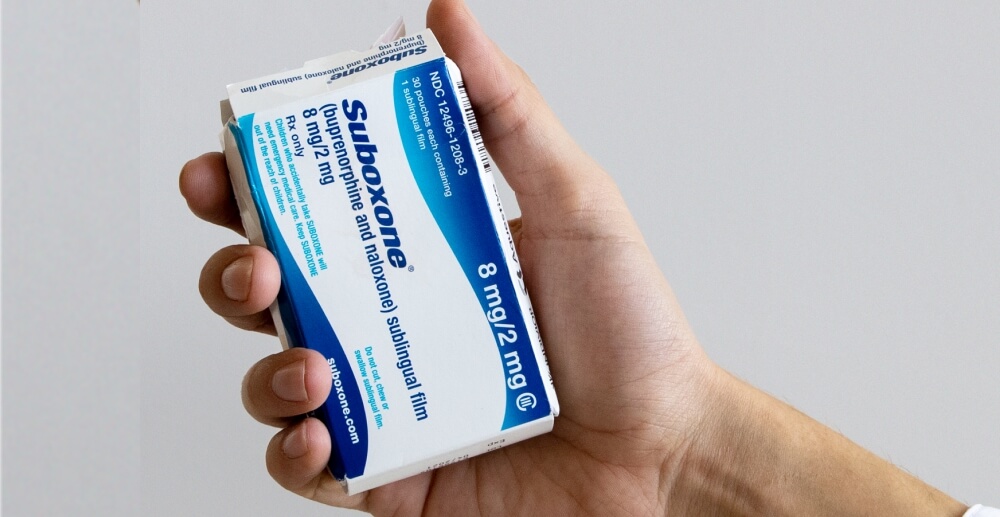
A hand holds a Suboxone box up to the camera

A Dangerous Myth: “Suboxone is Just Legal Heroin”

Olivia Pennelle
A young man in a white t-shirt looks at himself in the mirror

Self-Care in Early Recovery

Alaine Sepulveda
Closeup on hands holding a smartphone

Drink Tracking Apps: Can They Help Reduce Your Drinking?

Olivia Pennelle

In this article

Whether your family knows you’re struggling with addiction or not, talking to them about it can be daunting.

Some stages of substance use disorder can be hidden for a time, but after a while, it becomes quite obvious, no matter how much we like to think we’re great at covering our tracks. Whether your family knows or not, telling them can be daunting. At this point in your addiction, you may be riddled with shame and guilt that only exacerbate your fears of speaking up.

However, that fear is often unnecessary. Many families and friends are really supportive when we take accountability and ask for help. And even if some loved ones do not understand or lack the ability to support you when you tell your family about your addiction, there are tons of other resources to help you on your journey of recovery.

Sometimes your loved ones have no idea about your substance use.

The insidious nature of substance use disorder means that—depending on the drug—you may have become a master of deception, silently taking increasing amounts of substances under the radar. Usually others only begin to take any serious notice when patterns of behavior emerge, or when there is an incident—like a DUI. I’ve heard some people be completely surprised to learn that a loved one is in rehab. But they seemed so together, so normal. Are you sure it’s them?!

Sometimes those around you are all too aware of your alcohol or drug use.

Over time, family and close friends may start to put together the pieces. They see the tell-tale signs of someone excessively using substances—isolation, turning up late, flaking altogether on responsibilities or commitments, excuses, depression, health decline, moodiness, hysteria, instability, and, in some instances, being drunk or high all the time.

My close family knew. They painfully watched my slow decline into substance use disorder. They witnessed my declining mental and physical health. They heard my calls of desperation and the total despair and disconnection in my voice. I had totally detached from the world. I had one purpose: obliterate all of my senses and numb my experience in the world. This must have been very difficult for them to watch. They tried to help. They restricted money, stopped speaking to me, tried to control me, and even took me to meetings. I eventually reached a point where I couldn’t go on. It was then I asked for help and started my road to recovery.

Why is it important to tell your family about your substance use?

Whether people have suspicions or have no clue, there is no shame in asking for help, or in telling people that you have been struggling. As I began to recover, I needed to tell close friends and other family members. I had to get as much support as possible. I also needed to explain my erratic behavior. Some friends and family were very understanding and supportive. Others struggled with words like alcoholic, addict, addiction, and disease (at least, applying those words to someone they cared about). They believed that obsessively and compulsively taking drugs, despite the negative consequences, is a choice … but that’s a whole blog post in itself!

Whether your family knows or not, it is important to try and tell them what is going on for you.

This communication benefits us greatly. It goes a long way toward developing healthier behaviors and building a supportive network for our continued recovery.

How to approach telling your loved ones about your substance use disorder:

  1. Consider beforehand which family members are likely to be supportive, and choose to tell those people.
  2. Assume they already know.
  3. Be prepared for a difficult conversation. Plan to do something supportive afterward, like calling a friend in recovery, going to therapy, or hitting a recovery meeting.
  4. Plan what you want to say. Be honest, acknowledge your problem, tell them what steps you are taking to get help, and be clear in asking for the help that you need from them. What you need might be supportive phone calls/texts, help getting you into treatment, or just love and compassion.
  5. Understand that you may have hurt people as a result of your behavior, and be conscious of that when asking for help. Part of recovery is rebuilding from that hurt. You may have to accept that some are not willing or able to support you at this time.

Speaking up, while difficult, is cathartic. You’ll feel like a huge weight has been lifted off your shoulders. And even if you don’t receive the support you would like, there are tons of resources available. There are providers, rehabs and treatment centers, recovery groups, therapists, mutual support groups, and many other people in recovery walking the same journey as you. Family support is great, but it isn’t the only help available to you in your recovery.

Olivia Pennelle (Liv) has a masters in clinical social work from Portland State University. She is a mental health therapist, writer, and human activist. Her writing has appeared in STAT News, Insider, Filter Magazine, Ravishly, The Temper, and Shondaland. She is the founder of Liv’s Recovery Kitchen, Life After 12-Step Recovery, and Tera Collaborations. She lives near Portland, Oregon. Follow her on Instagram @Livwritesrecovery and @teracollaborations

PrevPreparing for a Hurricane With Medication
Fighting for My Health in RecoveryNext

Any general advice posted on our blog, website, or app is for informational purposes only and is not intended to replace or substitute for any medical or other advice. Workit Health, Inc. and its affiliated professional entities make no representations or warranties and expressly disclaim any and all liability concerning any treatment, action by, or effect on any person following the general information offered or provided within or through the blog, website, or app. If you have specific concerns or a situation arises in which you require medical advice, you should consult with an appropriately trained and qualified medical services provider.

Top

Get the latest recovery news

Instagram Linkedin-in Facebook-f Youtube
    • Treatments
    • Opioids
    • Kratom
    • Alcohol


  • About Workit Health
  • Contact us
  • Our team
  • Media spotlight
  • Careers
  • We Accept Insurance
  • Check insurance
  • Aetna
  • Anthem of Ohio
  • Horizon BCBSNJ
  • Humana
  • Resources
  • What is harm reduction?
  • Addiction recovery resources
  • Suboxone FAQs
  • Blog
  • Friends and Family
  • Resources for friends and family
  • Help Them Heal Guide
  • Refer a loved one
  • Members
  • Login
  • Community
  • Medical records request form
  • Medical Records Fax: 833-923-0584
  • Tech support guides
  • Call us: 855-659-7734 M-F 8am-9pm EST
    • Partners
    • Make a referral
    • For health plans
    • For providers and hospitals
    • Third-party medical records requests
Treatments
    • Opioids
    • Kratom
    • Alcohol
About Us
  • Contact us
  • Our team
  • Media spotlight
  • Careers
Resources
  • What is harm reduction?
  • Addiction recovery resources
  • Suboxone FAQs
  • Blog
Insurance
  • Check insurance
  • Aetna
  • Anthem of Ohio
  • Horizon BCBSNJ
  • Humana
Members
  • Login
  • Community
  • Medical records request form
  • Medical Records Fax: 833-923-0584
  • Tech support guides
  • Call us: 855-659-7734
    M-F 8am-9pm EST
Resources
  • What is harm reduction?
  • Addiction recovery resources
  • Suboxone FAQs
  • Blog
Friends and Family
  • Resources for friends and family
  • Help Them Heal Guide
Partners
    • Make a referral
    • For health plans
    • For providers and hospitals
    • Third-party medical records requests
Locations
  • Arizona
  • California
  • Florida
  • Illinois
  • Michigan
  • Montana
  • New Jersey
  • New Mexico
  • North Carolina
  • Ohio
  • Oklahoma
  • Texas
  • Washington
Read more about Suboxone risks and concerns

Suboxone (buprenorphine/naloxone) is indicated for the treatment of opioid dependence in adults. Suboxone should not be taken by individuals who have been shown to be hypersensitive to buprenorphine or naloxone as serious adverse reactions, including anaphylactic shock, have been reported. Taking Suboxone (buprenorphine/naloxone) with other opioid medicines, benzodiazepines, alcohol, or other central nervous system depressants can cause breathing problems that can lead to coma and death. Other side effects may include headaches, nausea, vomiting, constipation, insomnia, pain, increased sweating, sleepiness, dizziness, coordination problems, physical dependence or abuse, and liver problems. For more information about Suboxone (buprenorphine/naloxone) see Suboxone.com, the full Prescribing Information, and Medication Guide, or talk to your healthcare provider. You are encouraged to report negative side effects of drugs to the FDA. Visit www.fda.gov/medwatch or call 1-800-FDA-1088.

All clinical and medical services are provided by licensed physicians and clinicians who are practicing as employees or contractors of independently owned and operated professional medical practices that are owned by licensed physicians. These medical practices include Workit Health (MI), PLLC; Workit Health (CA), P.C.; Workit Health (NJ), LLC; Workit Health (OH), LLC; Virtual Physician Practice (NY), PLLC; and any other Workit Health professional entity that is established in the future.

Clinic locations

Arizona
2501 N Hayden Rd.
Ste 103
Scottsdale, AZ 85257
fax (HIPAA): (833) 664-5441

California
1460 Maria Lane
Ste 300
Walnut Creek, CA 94596
fax (HIPAA): (855) 716-4494

Florida
600 Heritage Dr.
Ste 210, #17
Jupiter, FL 33458
fax (HIPAA): (813) 200-2822

Illinois
1280 Iroquois Ave
Ste 402
Naperville, IL 60563
fax (HIPAA): (855) 716-4494

Michigan
3300 Washtenaw Ave
Ste 280
Ann Arbor, MI 48104
fax (HIPAA): (855) 716-4494

Montana
415 N Higgins Ave
Ste 6
Missoula, MT 59802
fax (HIPAA): (855) 716-4494

New Jersey
5 Greentree Center
Ste 117
Marlton, NJ 08053
fax (HIPAA): (609) 855-5027

New Mexico
5901 Indian School Road, NE
Ste 212
Albuquerque, NM 87110
fax (HIPAA): (855) 716-4494

North Carolina
3719 Latrobe Drive
Ste 850-M
Charlotte, NC 28211-4827
fax (HIPAA): (855) 716-4494

Ohio
6855 Spring Valley Dr
Ste 110
Holland, OH 43528
fax (HIPAA): (513) 823-3247

Oklahoma
1010 24th Ave NW
Suite 100
Norman, OK 73069
fax (HIPAA): (855) 716-4494

Texas
5373 W Alabama St
Ste 204
Houston, TX 77056
fax (HIPAA): (737) 738-5046

Washington
9116 Gravelly Lake Dr SW
Ste 107 #3, PMB 1963
Lakewood, WA 98499-3148.
fax (HIPAA): (833) 328-1407

AICPA SOC

Terms of Service

Privacy Policy

Notice of Privacy Practice

View Accessibility Statement

© 2026 Workit Health. All rights reserved.

Not ready to start? We'll send you more information:

  • Workit Health

    When I opt in, Workit Health will send information about their program and recovery resources.

    *I agree to receive marketing and member care messages by email. Messaging frequency varies. I can unsubscribe at any time.

    **I agree to receive marketing and member care messages by text (SMS). Messaging frequency varies. Message and data rates may apply. I can opt out at any time by replying STOP. I can reply HELP to receive support. If I do not consent to receive SMS, and Workit Health is unable to reach me by email, I understand that they will not be able to contact me by text.

    Carriers are not liable for delayed or undelivered messages.

    View our Privacy Policy, Terms of Service, and Consent to SMS and Email.

  • Should be Empty:

This site uses cookies to improve your experience. By using this site, you consent to our use of cookies.

Accept Cookies