Back in my party girl days, my Friday nights consisted of pre-gaming (drinking in preparation for more drinking), getting dressed up to impress potential hook ups, hopping from bar to bar, then driving home drunk at 2:30am. Zoom back to the present -- for this yoga class, my pre-game consisted of putting on a pair of herringbone patterned yoga pants, a funky sports bra, and a daisy chain (check out my pic in the header!). Afterwards, I took the train home and was in bed by 10:30. I woke up refreshed, although my quads were definitely feeling a little yoga hungover.
The answer is, yes you can! Of course, that is not all I have to say on this subject, or we would not have a blog post; let me explain! As someone in recovery from an eating disorder as well as mental health issues, I have found a new profound love of exercise. The activity I once despised is the activity I have found joy in. However, I despised it because I was utilizing exercise incorrectly in my life.
Fitness is often something we think about as a means to get healthy; by “get healthy” we often think of this as losing weight, increasing strength, gaining muscle, and toning up. These can all be very healthy things for your physical health, however the mental health benefits of fitness and exercise are far too often overlooked or passed over like an afterthought.
When I think back to getting sober more than six years ago, there are many reasons I know I was successful: I had a supportive family. I had the tools and resources to go to treatment. I had the necessary mindset. I knew I was better off without alcohol in my life.
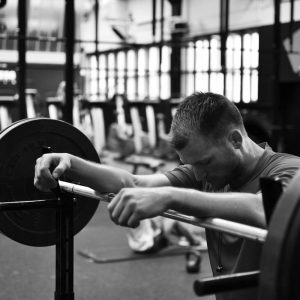
I never expected my recovery from alcohol use disorder to benefit so much from the community at a CrossFit gym, but it truly has saved me on more than one occasion.
For anyone in recovery, exercise is your friend—especially over the holidays. I know that the last thing most people feel like doing at the end of the year is expending more energy; it’s a time we’re winding down and taking some much needed time out.
There are several medical approaches to help people deal with opioid addiction, but other complimentary, holistic solutions. Yoga offers one such solution.
Early recovery is the perfect time to get up and get going. Why? Because it will help your brain and your body.
When I arrived into recovery, my body was ravaged by addiction. I spent the first 18 months exhausted. I was 150 pounds overweight and I felt terrible most of the time. Nobody told me about the importance of a holistic recovery.
This site uses cookies to improve your experience. By using this site, you consent to our use of cookies.