Skip to content

Supporting Loved Ones in Addiction | Wed. March 25th

  • Online Recovery
    • Quit Opioids
    • Including prescription pain medication and heroin
    • Suboxone
    • Insurance or self-pay
    • At-home drug screenings
    • Quit Kratom
    • Including 7-OH
    • Medication assistance
    • Insurance or self-pay
    • Whole-person care (anxiety, insomnia, etc.)
    • Quit Drinking
    • Campral
    • Naltrexone
    • Insurance or self-pay
    • 100% Online
    • Non-judgmental providers
    • Help with co-occurring disorders​
    • Recovery groups
    • Real people (No AI bots)
  • About Us
    • Our Research

    Advancing substance use treatment through rigorous, peer-reviewed research and actionable insights.

    • Our Mission

    Everyone deserves access to the gold standard of treatment, without judgment.

    • Growing Our Team

    Join us in transforming addiction treatment and improving lives through digital care.

    • Founded and operated by people in recovery since 2015
  • Resources
    • 33% of members were referred by friends or family
    Free Help Them Heal Guide
    • Articles
    • Member stories
    • Opioid addiction help
    • Suboxone Basics
    • Quit drinking
    • Naltrexone basics
    • For friends and family
    • Workit Health
    • Insurance checker
    • Locations
    • Reviews
    • Resources
    • Mental health apps
    • Helplines and support
    • Community in recovery
    • Medication resources
    • 32k+ App store reviews
    • 35k+ Members
    • 85% of Workit clinicians have supported a loved one
  • Make A Referral
    • Friends and Family

    For friends or family members supporting someone they care about.

    • Partners and Providers

    For healthcare professionals making a patient referral.

    • 33% of members were referred by friends or family
  • Partners
Book now
  • Sobriety Tips and Tools, Stories Of Recovery

Let These 8 Recovery Advocates & Trailblazers Inspire You in 2019

  • Fact Checked and Peer Reviewed

It is challenging to list just eight of my fellow recovery heroes and thought leaders because there are so many more of us. That said, the following list is a picture of the people who have most influenced my recovery, advocacy, and writing.

  • By Olivia Pennelle

A future free of addiction is in your hands

Recover from addiction at home with medication, community, and support—from the nonjudmental experts who really care.

Get started today

What's your goal?

Join the 35k+ members who treated addiction via their phone

Closeup on hands holding a smartphone

Drink Tracking Apps: Can They Help Reduce Your Drinking?

Olivia Pennelle
An old-fashioned pharmacy on a small town street.

Tricky, Tricky—Prescription Pills & Addiction

Daniel D. Maurer
A woman sits in a dark room with her hands over her face.

I Love Him, But I Hate This Drug Use

Amy Dresner

In this article

Reading and listening to stories of recovery ignite hope: they show us that a world exists outside the pain and struggles of addiction. Telling our stories is perhaps one of the most powerful motivators to find recovery, as well as processing it. In fact, some recovery programs are founded upon the basis of spreading the message of recovery.

Upon finding recovery, we have a lot of work ahead of us: the emotional baggage of our addiction, unresolved and co-occurring disorders, and the fact we have to do this work without anesthesia. We again turn to those who have walked this path before us, to find inspiration in how they weathered these storms, and transformed into the incredible humans they are.

Newly transformed, many of us feel overcome by gratitude at our second chance in life. It compels us to fight for the humanity of the people suffering with addiction, and for the treatment of our fellows in recovery. Many of us are motivated to turn to advocacy work, activism. And many more become writers and journalists. Our joint mission is to shed a light on substance use disorder, fight the stigma attached to it, and banish the myth that we are a hopeless case.

“Our joint mission is to shed a light on substance use disorder, fight the stigma attached to it, and banish the myth that we are a hopeless case. ”

Our deeply painful work has shown us that the opposite is true: we are powerful, capable, and can transcend some of the most challenging situations life and illness can throw at us. In many ways we have become our own heroes.

It is challenging to list just eight of my fellow recovery heroes and thought leaders because there are so many more of us. That said, the following list is a picture of the people who have most influenced my recovery, advocacy, and writing:

1. Anne Lamott.

Writer, activist, and public speaker, Anne Lamott has been fundamental to developing my voice as a writer. She has given me hope at the darkest of moments, and the confidence to write with conviction about what happened to me.
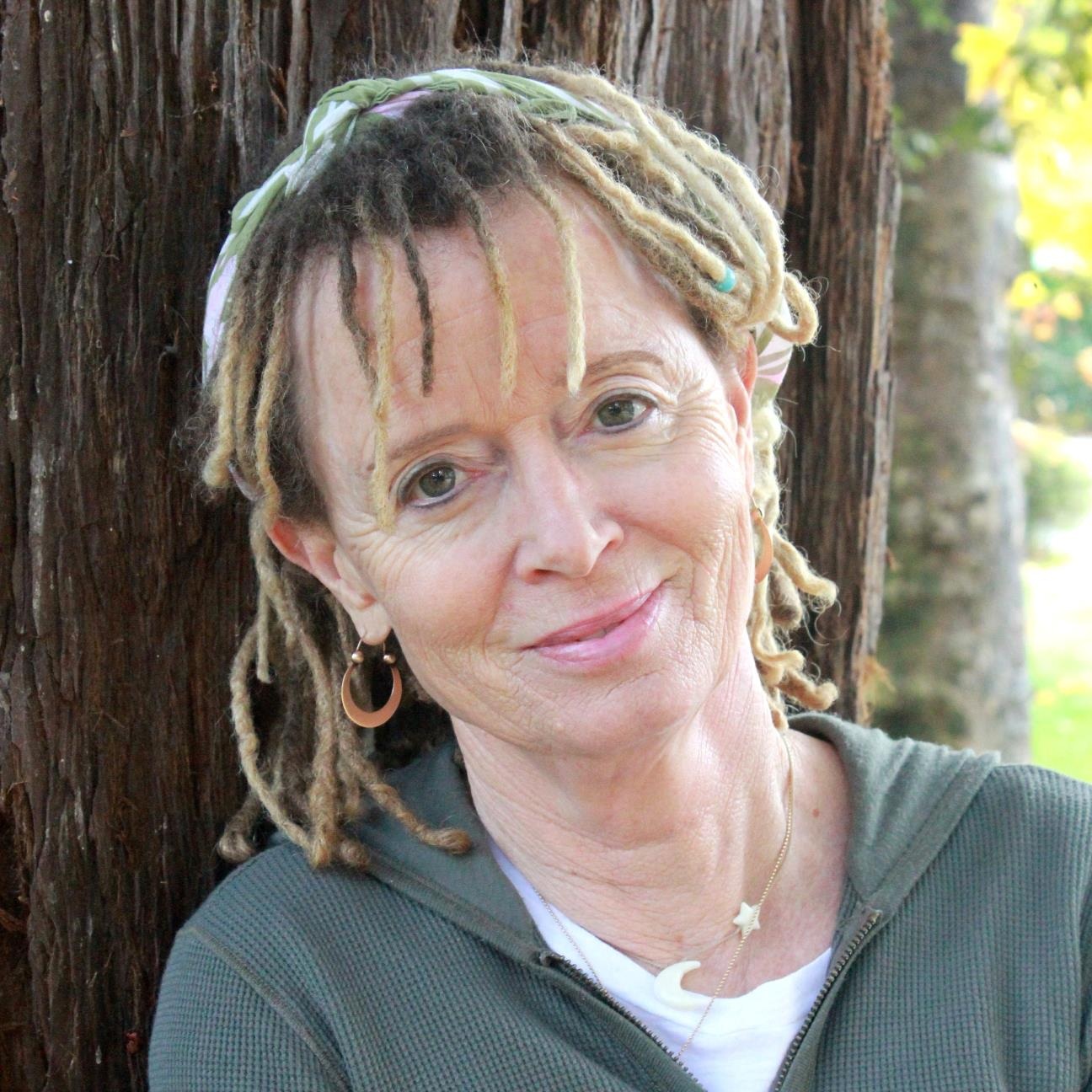
 Anne Lamott

“You own everything that happened to you. Tell your stories. If people wanted you to write warmly about them, they should have behaved better.”

— Anne Lamott


2. William L. White.

Recovery advocate, author, and researcher, William White has made a profound contribution to the recovery community. He is a thought leader that almost everyone in the recovery movement looks to, professionals included!

His research has informed policy and inspired many of today’s leading activists and scientists. White has authored many books and hundreds of articles. If you haven’t already, check out his White Papers — a site that contains over 300 articles, book chapters, and interviews with recovery leaders — that speak of the recovery advocacy movement, recovery-oriented systems of care, and recovery management. He hopes that the site is used as a resource library that services present and future generations of addiction professionals, recovery coaches, and recovery advocates.

  Gabor Mate

3. Gabor Mate.

While not in recovery, Mate is well-known for his expertise on substance use disorder, trauma, and mental health. He has specialized in these areas for decades. He has also made significant and life-long impact on how we view addiction. What I particularly love about him is how he calls for a compassionate approach toward substance use disorder. Mate believes that the source of addiction can be found in the trauma we experience in our childhood environment.  With his books, I have developed more compassion toward myself and have gained significant insight to the trauma my body stores. He says,

“Not all addictions are rooted in abuse or trauma, but I do believe they can all be traced to painful experience. A hurt is at the center of all addictive behaviors. It is present in the gambler, the Internet addict, the compulsive shopper and the workaholic. The wound may not be as deep and the ache not as excruciating, and it may even be entirely hidden—but it’s there. As we’ll see, the effects of early stress or adverse experiences directly shape both the psychology and the neurobiology of addiction in the brain.”

— Gabor Mate


4. Jen McNeely.

Founder of Toronto-based site She Does The City, Jen is an inspiring thought-leader. I interviewed Jen several years ago when I was looking for something more in my recovery. I saw a fearless woman who was authentically sharing her story, and the stories and accomplishments of other Canadian women. What I particularly love most about Jen, though, is her sense of adventure: she encourages me to have more fun and bravely go out into the world. Having met her in person at She Recovers in NYC, I feel honored to call Jen a friend today.
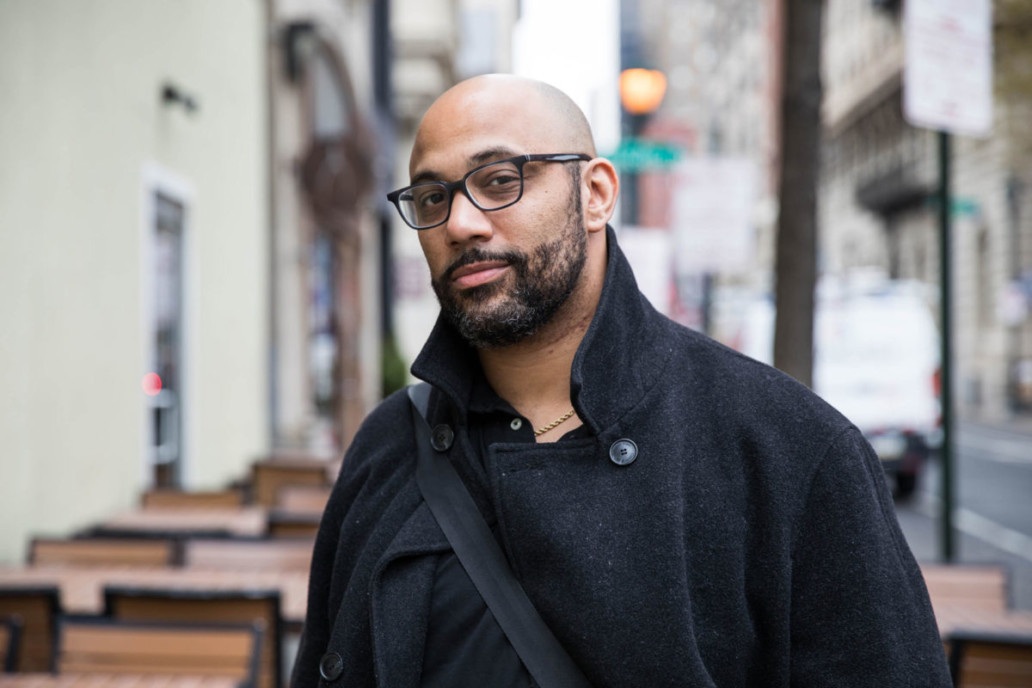
  Devin Reaves

5. Devin Reaves.

As a person who has been in living in recovery since 2007, Devin is an MSW and a grassroots advocacy leader. He came onto my radar this year with the life-changing work he leads as the co-founder and executive director of the Pennsylvania Harm Reduction Coalition. Some of his achievements include successfully campaigning for increased access to Naloxone, the implementation of Good Samaritan policies, and the development of youth systems of care. He is also passionate about leading meaningful public health policy changes around substance use disorder.


6. Brooke Feldman.

Brooke is an MSW and social justice activist. She has taught me so much about what it means to fight for equality, the inequalities that exist within our recovery community and provision of care — especially for people of color and those in the LGBTQ+ community. Many of us could learn from Brooke’s efforts to make recovery and wellness accessible to all.

“Recovery has allowed me to turn my fate into destiny and to live up to some of the things that were buried deep within. The best part of all is that any human being still breathing has the chance to do the same.”

— Brooke Feldman


7. Recovery Scientists.

For a long time research has been crucial to our understanding of substance use disorder, but the science of recovery — while well-researched by the likes of William White and John F. Kelly — hasn’t received as much of the limelight.

Over the past few years we have seen the emergence of scientists and thought leaders, such as Robert Ashford, Brandon Bergman, Austin Brown, Brent Canode, Brenda Curtis, Emily Eisenhart, and Jessica McDaniel, bringing to the fore groundbreaking research and initiatives focused solely on recovery. One of the most popular studies has been on the use of biased language, the definition of recovery, and the recovery ready communities model and framework. Other notable achievements include the formation of The Recovery Science Research Collaborative (RSRC) and the Journal of Recovery Science.

  Dr Jamie Marich

8. Dr. Jamie Marich.

Marich is a counsellor, expressive arts therapist, founder of the Institute of Creative Mindfulness, and the creator of dancing mindfulness. She’s written several books on trauma, and I had the pleasure of reviewing her most recent book which uses art therapy to process trauma. She is a true asset to our community, using and adds the crucial element of the arts and creativeness to our recovery toolkit.

“By shedding the layers of what is expected of me and of what others have tried to make me believe about myself, I’ve found freedom to be as I am supposed to be in this body, in this life, in this world.”

— Dr. Jamie Marich

Olivia Pennelle (Liv) has a masters in clinical social work from Portland State University. She is a mental health therapist, writer, and human activist. Her writing has appeared in STAT News, Insider, Filter Magazine, Ravishly, The Temper, and Shondaland. She is the founder of Liv’s Recovery Kitchen, Life After 12-Step Recovery, and Tera Collaborations. She lives near Portland, Oregon. Follow her on Instagram @Livwritesrecovery and @teracollaborations

PrevHappy New Year! Workit Health’s Year in Review
Struggling with Anxiety & Depression in Early Recovery? You Aren’t Alone.Next

Any general advice posted on our blog, website, or app is for informational purposes only and is not intended to replace or substitute for any medical or other advice. Workit Health, Inc. and its affiliated professional entities make no representations or warranties and expressly disclaim any and all liability concerning any treatment, action by, or effect on any person following the general information offered or provided within or through the blog, website, or app. If you have specific concerns or a situation arises in which you require medical advice, you should consult with an appropriately trained and qualified medical services provider.

Top

Get the latest recovery news

Instagram Linkedin-in Facebook-f Youtube
    • Treatments
    • Opioids
    • Kratom
    • Alcohol


  • About Workit Health
  • Contact us
  • Our team
  • Media spotlight
  • Careers
  • We Accept Insurance
  • Check insurance
  • Aetna
  • Anthem of Ohio
  • Horizon BCBSNJ
  • Humana
  • Resources
  • What is harm reduction?
  • Addiction recovery resources
  • Suboxone FAQs
  • Blog
  • Friends and Family
  • Resources for friends and family
  • Help Them Heal Guide
  • Refer a loved one
  • Members
  • Login
  • Community
  • Medical records request form
  • Medical Records Fax: 833-923-0584
  • Tech support guides
  • Call us: 855-659-7734 M-F 8am-9pm EST
    • Partners
    • Make a referral
    • For health plans
    • For providers and hospitals
    • Third-party medical records requests
Treatments
    • Opioids
    • Kratom
    • Alcohol
About Us
  • Contact us
  • Our team
  • Media spotlight
  • Careers
Resources
  • What is harm reduction?
  • Addiction recovery resources
  • Suboxone FAQs
  • Blog
Insurance
  • Check insurance
  • Aetna
  • Anthem of Ohio
  • Horizon BCBSNJ
  • Humana
Members
  • Login
  • Community
  • Medical records request form
  • Medical Records Fax: 833-923-0584
  • Tech support guides
  • Call us: 855-659-7734
    M-F 8am-9pm EST
Resources
  • What is harm reduction?
  • Addiction recovery resources
  • Suboxone FAQs
  • Blog
Friends and Family
  • Resources for friends and family
  • Help Them Heal Guide
Partners
    • Make a referral
    • For health plans
    • For providers and hospitals
    • Third-party medical records requests
Locations
  • Arizona
  • California
  • Florida
  • Illinois
  • Michigan
  • Montana
  • New Jersey
  • New Mexico
  • North Carolina
  • Ohio
  • Oklahoma
  • Texas
  • Washington
Read more about Suboxone risks and concerns

Suboxone (buprenorphine/naloxone) is indicated for the treatment of opioid dependence in adults. Suboxone should not be taken by individuals who have been shown to be hypersensitive to buprenorphine or naloxone as serious adverse reactions, including anaphylactic shock, have been reported. Taking Suboxone (buprenorphine/naloxone) with other opioid medicines, benzodiazepines, alcohol, or other central nervous system depressants can cause breathing problems that can lead to coma and death. Other side effects may include headaches, nausea, vomiting, constipation, insomnia, pain, increased sweating, sleepiness, dizziness, coordination problems, physical dependence or abuse, and liver problems. For more information about Suboxone (buprenorphine/naloxone) see Suboxone.com, the full Prescribing Information, and Medication Guide, or talk to your healthcare provider. You are encouraged to report negative side effects of drugs to the FDA. Visit www.fda.gov/medwatch or call 1-800-FDA-1088.

All clinical and medical services are provided by licensed physicians and clinicians who are practicing as employees or contractors of independently owned and operated professional medical practices that are owned by licensed physicians. These medical practices include Workit Health (MI), PLLC; Workit Health (CA), P.C.; Workit Health (NJ), LLC; Workit Health (OH), LLC; Virtual Physician Practice (NY), PLLC; and any other Workit Health professional entity that is established in the future.

Clinic locations

Arizona
2501 N Hayden Rd.
Ste 103
Scottsdale, AZ 85257
fax (HIPAA): (833) 664-5441

California
1460 Maria Lane
Ste 300
Walnut Creek, CA 94596
fax (HIPAA): (855) 716-4494

Florida
600 Heritage Dr.
Ste 210, #17
Jupiter, FL 33458
fax (HIPAA): (813) 200-2822

Illinois
1280 Iroquois Ave
Ste 402
Naperville, IL 60563
fax (HIPAA): (855) 716-4494

Michigan
3300 Washtenaw Ave
Ste 280
Ann Arbor, MI 48104
fax (HIPAA): (855) 716-4494

Montana
415 N Higgins Ave
Ste 6
Missoula, MT 59802
fax (HIPAA): (855) 716-4494

New Jersey
5 Greentree Center
Ste 117
Marlton, NJ 08053
fax (HIPAA): (609) 855-5027

New Mexico
5901 Indian School Road, NE
Ste 212
Albuquerque, NM 87110
fax (HIPAA): (855) 716-4494

North Carolina
3719 Latrobe Drive
Ste 850-M
Charlotte, NC 28211-4827
fax (HIPAA): (855) 716-4494

Ohio
6855 Spring Valley Dr
Ste 110
Holland, OH 43528
fax (HIPAA): (513) 823-3247

Oklahoma
1010 24th Ave NW
Suite 100
Norman, OK 73069
fax (HIPAA): (855) 716-4494

Texas
5373 W Alabama St
Ste 204
Houston, TX 77056
fax (HIPAA): (737) 738-5046

Washington
9116 Gravelly Lake Dr SW
Ste 107 #3, PMB 1963
Lakewood, WA 98499-3148.
fax (HIPAA): (833) 328-1407

AICPA SOC

Terms of Service

Privacy Policy

Notice of Privacy Practice

View Accessibility Statement

© 2026 Workit Health. All rights reserved.

Not ready to start? We'll send you more information:

  • Workit Health

    When I opt in, Workit Health will send information about their program and recovery resources.

    *I agree to receive marketing and member care messages by email. Messaging frequency varies. I can unsubscribe at any time.

    **I agree to receive marketing and member care messages by text (SMS). Messaging frequency varies. Message and data rates may apply. I can opt out at any time by replying STOP. I can reply HELP to receive support. If I do not consent to receive SMS, and Workit Health is unable to reach me by email, I understand that they will not be able to contact me by text.

    Carriers are not liable for delayed or undelivered messages.

    View our Privacy Policy, Terms of Service, and Consent to SMS and Email.

  • Should be Empty:

This site uses cookies to improve your experience. By using this site, you consent to our use of cookies.

Accept Cookies