
Skip to content

Marc Lee Shannon Live in Concert | Wed. Nov. 19th

  • Online Recovery
    • Quit Opioids
    • Including prescription pain medication and heroin
    • Suboxone
    • Insurance or self-pay
    • At-home drug screenings
    • Quit Kratom
    • Including 7-OH
    • Medication assistance
    • Insurance or self-pay
    • Whole-person care (anxiety, insomnia, etc.)
    • Quit Drinking
    • Campral
    • Naltrexone
    • Insurance or self-pay
    • 100% Online
    • Non-judgmental providers
    • Help with co-occurring disorders​
    • Recovery groups
    • Real people (No AI bots)
  • About Us
    • Our Research

    Advancing substance use treatment through rigorous, peer-reviewed research and actionable insights.

    • Our Mission

    Everyone deserves access to the gold standard of treatment, without judgment.

    • Growing Our Team

    Join us in transforming addiction treatment and improving lives through digital care.

    • Founded and operated by people in recovery since 2015
  • Resources
    • 33% of members were referred by friends or family
    Free Help Them Heal Guide
    • Articles
    • Member stories
    • Opioid addiction help
    • Suboxone Basics
    • Quit drinking
    • Naltrexone basics
    • For friends and family
    • Workit Health
    • Insurance checker
    • Locations
    • Reviews
    • Resources
    • Mental health apps
    • Helplines and support
    • Community in recovery
    • Medication resources
    • 32k+ App store reviews
    • 35k+ Members
    • 85% of Workit clinicians have supported a loved one
  • Make A Referral
    • Friends and Family

    For friends or family members supporting someone they care about.

    • Partners and Providers

    For healthcare professionals making a patient referral.

    • 33% of members were referred by friends or family
  • Partners
Book now
Book now
Book now
Login
  • Quit Opioids
  • Including prescription pain medication and heroin
  • Suboxone
  • Insurance or self-pay
  • At home drug screenings
  • Quit Kratom
  • Including 7-OH
  • Medication assistance
  • Insurance or self-pay
  • Whole-person care (anxiety, insomnia,etc.)
  • Quit Drinking
  • Medication assistance
  • Insurance or self-pay
  • Recovery groups
  • 33% of members are referred by friends or family
Free Help them Heal Guide
  • 100% Online
  • Non-judgmental providers
  • 35k+ Members
  • 3.4k+ Reviews
About Us
  • Our Research
  • Our Mission
  • Growing Our Team
Resources
  • Workit Health
  • Insurance checker
  • Locations
  • Reviews
  • Articles
  • Member stories
  • Opioid addiction help
  • Suboxone Basics
  • Quit drinking
  • Naltrexone basics
  • For friends and family
  • Resources
  • Mental health apps
  • Helplines and support
  • Community in recovery
  • Medication resources
Make a Referral
  • Friends and Family
  • Partners and Providers
  • Partners
  • Opioid Addiction Help, Sobriety Tips and Tools, Stories Of Recovery
  • opioids, overdose

After an Overdose: What Can you Do To Prepare For Recovery?

  • Fact Checked and Peer Reviewed
If you survive an overdose, take it as an opportunity and wake-up call. You can get into recovery after an overdose. Here is advice on how.
  • By Kali Lux

Opioid addiction recovery is easier with medication support

Discreet, accessible treatment for at-home recovery, supported by experts.

Get started today

What's your goal?

Join the 35k+ members who treated addiction via their phone

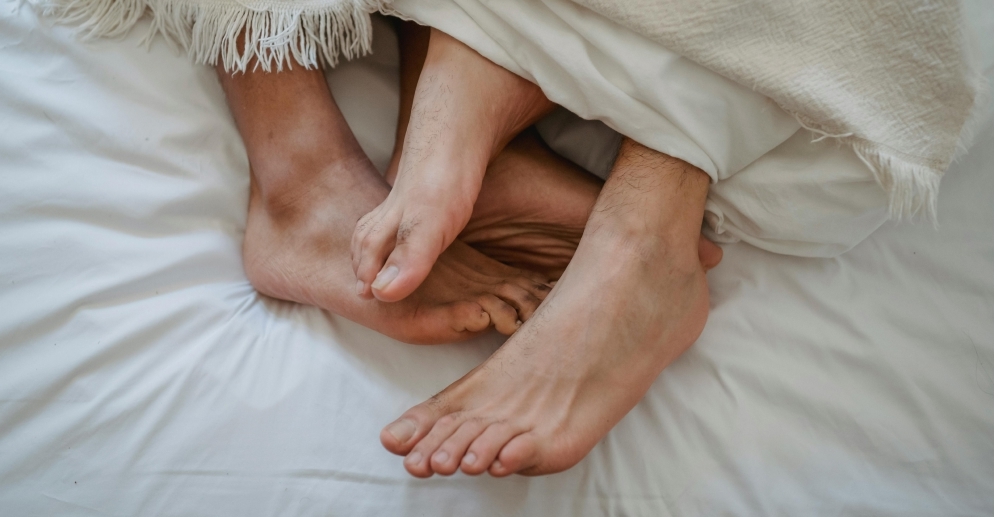
A couple's bare feet, sticking out from beneath a blanket.

Sexual Side Effects of Suboxone

Jozlin Semelbauer
A man with a short, brown beard hugs his pillow to him as he sleeps.

Having Dreams About Drinking or Using

Olivia Pennelle
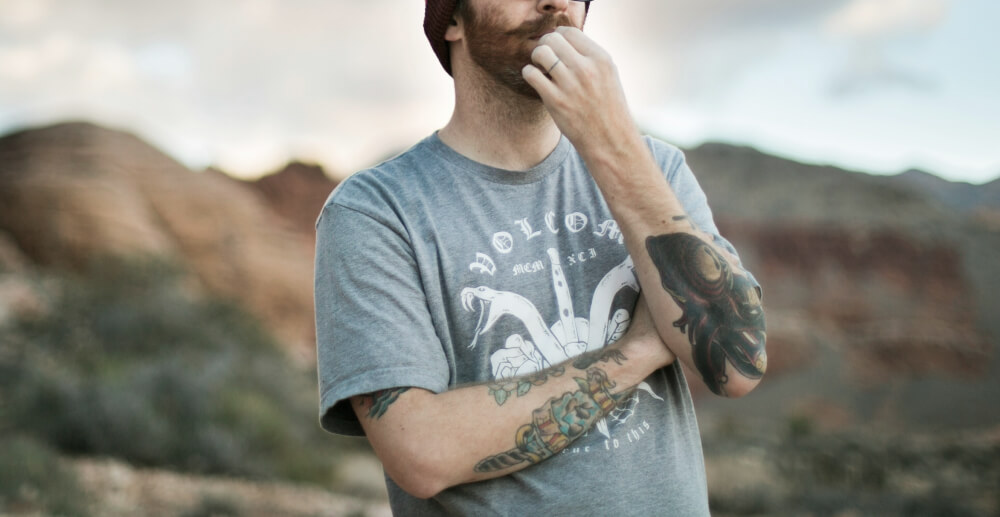
A man with tattoos on his arms and a Volcom t-shirt stands in front of a background of desert mountains. One hand is in front of his chin in a thoughtful pose.

How to Get Ready for Suboxone Induction

Alaine Sepulveda

In this article

Experiencing an overdose can be dangerous and traumatic, but it also presents an opportunity for recovery and change.

More people are dying from overdose than guns or car crashes. It can be hard to recognize that danger when you’re using. Maybe survival isn’t at the top of your priority list right now—addiction has a way of making everything seem less important than getting and using drugs. But if you’re breathing, there’s some part of you that wants to stay alive, no matter how bad your addiction is. A near-death experience like an overdose can strengthen that will to live.

When you’re submerged in addiction, it can be impossible to imagine a way out of it.

Addiction becomes your way of life. It’s the very air you breathe. But you can recover. And as long as you survive the experience, you can recover after overdose. It can be a wake-up call to just how serious your addiction has become. For some, overdose can be the big reveal in which friends and family finally realize that you are very sick. It might be your own big reveal to yourself, in which you come to understand how sick you are. Maybe this time you wake up in the hospital, whereas before you’ve been able to sleep things off. Maybe you have a moment of clarity that there are people here that might lose you.

We’ve shared before about naloxone (brand name Narcan). Narcan is the opioid antidote administered during an overdose to block and reverse the effects of opioids in the brain. Naloxone saves lives. But let’s talk about what happens after Narcan or naloxone is used, or after you’ve received other treatment for an overdose. It can feel like a time of crisis. And it is. But opioid use disorder itself is a series of crises all the time—a mad hamster wheel of scoring, avoiding withdrawal, and trying to stay awake. Overdose shines a bright spotlight on how unsustainable addiction (and the behavior that goes along with it) really is. Something’s gotta give. And the thing that gives will be you, your life, or your addiction. This moment of crisis, this new lease on life, can be a chance to embrace your fear and transform it into the motivation to change.

I know you can get into recovery after an overdose, because I did it.

I got sober fifteen years ago. The drugs were different then, but I still managed to overdose. It happened more than once. One time my poor then-boyfriend climbed up to my second-story apartment and crawled in through my window to see if I was okay when I hadn’t been responding to his messages. Spoiler: I wasn’t okay.

Perhaps the most disorienting times for me were when I was released from the hospital or left behind after the ambulance or firefighters had determined I was okay. I would sit there lost, with my arms sore and sticky from IVs and little direction on what to do next. I’d be left with a bruised sternum from where emergency personnel had tried to revive me. My concerned parents, who lived in another state, would try to find out if this latest crisis was worth making the trip, when this had happened so many times before. Medically and physically, I was present and alive. My heart was pumping and I was breathing, though my nose was dry and sore from oxygen tubes. My body stood on the ground just like it had before I overdosed. Mentally, though … I was lost.

So what should you do after overdose? How can you hold onto the crisis, and seize it as a moment of transformation?

1. Seize the moment.

If overdose places you in the medical system, tell them you want help. Ask for resources. If you’re still going to use, talk to them about harm reduction and suggestions for safer use. If you are ready to quit, ask for a referral. Don’t put this off! As the days pass and you gain distance from your overdose, you’ll struggle more with physical withdrawal. Using will probably start to sound better as you look for an escape from your withdrawal symptoms, and the unpleasant overdose itself will be a fading memory compared to your intense cravings. So take action while it’s all fresh in your mind and while medical professionals are in front of you. They aren’t going to expect you to want help. Speak up for yourself, and be your own advocate.

2. Talk to your loved ones.

If your friends and family didn’t know you had a problem, this is the time to have a conversation with them. If you don’t feel comfortable talking with certain members of your family, try reaching out to a trusted friend about what is going on. Overdose is physically and mentally exhausting, so you’ll need support. Please don’t just take an Uber or taxi home from the hospital alone. Call someone, even if it’s just your local NA hotline. As people with substance use disorder, it’s hard to ask for help. We live in a world of shame and secrets. A first step to getting better is letting people in. Sometimes, overdose forces you to do just that.

3. Be prepared for physical withdrawal.

Naloxone by itself isn’t a solution to overdose. It will wear off, and if the opioids are still in your body, that can create the risk of re-overdose. Afterward, it will cause serious withdrawal, which can make you want to use more. But if you do, the naloxone in your system might prevent you from getting high. If you’ve been treated with Narcan (generic name naloxone) and haven’t received emergency care, get medical care and get advice on how to detox safely. A healthcare provider can also tell you what to expect from withdrawal and give you advice on how to get through it.

4. Look into medication-assisted treatment.

Studies show that medication-assisted intervention in the emergency room, like buprenorphine, improve treatment outcomes. Hopefully, more ERs take heed of these findings. But even if they don’t, there are providers that can prescribe medication like Suboxone (generic name buprenorphine/naloxone), which can help you manage your cravings and avoid withdrawal, without inpatient care. Some people think that you have to check in to an expensive 30-day treatment center and put your life on hold to get better, but there are other treatment options, and medication-assisted treatment is one of them.

5. Celebrate the little joys of life.

Regardless of what you believe happens after death, surviving overdose allows you to appreciate the joys and pleasures of this world. Cultivating that sort of gratitude is a big part of what recovery and appreciating the world even when sober are about. If you were dead, you wouldn’t see your kids, parents, or pets again. Forget about the next season of Stranger Things. Your favorite ice cream. Jack in the Box tacos. Autumn leaves crunching under your feet. Cuddling. Your favorite song, played loudly while you’re driving on the freeway. Try to remember all the little delights of being alive, especially in the difficult times that lay ahead in early sobriety.

You almost didn’t make it. But you did survive. So now is a perfect time to treasure the things in your life that bring you even the tiniest bit of joy.

6. Find a community to connect with, and share your story.

It doesn’t matter what sort of group floats your boat. Here at Workit Health, we have online recovery groups and private communities for our members, but there are a lot of options outside of Workit, too. Many folks find their people in Narcotics Anonymous or Alcoholics Anonymous. If 12-step groups aren’t your thing, there are other support groups and counselors. There is Yoga of 12 Step Recovery. Refuge Recovery is a Buddhist-focused addiction group. If you’re not ready to dive into the recovery world but need to find some people whose idea of fun isn’t shooting up, check out meetup.com.

While you’re seeking out your people, steer clear of your dealer and the friends you used with. Connection is healing, but your old, drug-related connections probably aren’t.

Finally, check out Revived & Renewed, 5 powerful stories of recovery after overdose:

If you keep using or are around people who do, be prepared for overdose.

Carry naloxone at all times, and make sure that you and your friends know how to use it. Be aware of these signs & symptoms of an overdose:

  • Awake, but cannot speak.
  • Slow heartbeat and pulse.
  • Slow breathing or not breathing.
  • Blue lips and/or fingernails.
  • Gurgling, snoring, or raspy breathing.
  • Choking sounds.
  • Passing out.
  • Vomiting.
  • Pale face.

What increases the risk of an overdose?

  • Using after a period of abstinence (such as during incarceration, hospitalization, or substance use disorder treatment). Periods of abstinence can lower tolerance, so that the dose that you used to use is too much.
  • Rotating between different types of opioids
  • Mixing opioids with alcohol or medications (such as benzodiazepines or anti-depressants)
  • Health-related problems: emphysema, asthma, sleep apnea, COPD, heavy smoking, kidney issues

If you ever suspect an overdose has occurred, the first thing you need to do is call 911. Then, administer Narcan if available.

Kali Lux is a consumer marketing leader with a focus on healthcare and wellness. She has over a decade of experience in building and operating metrics-driven brand, demand generation, and customer experience teams. A founding member of Workit Health’s team and a person in recovery herself, she’s passionate about fighting stigma and developing strategies that allow more people access to quality treatment at the moment they’re ready for help.

PrevDo I Have to Tell My Boss I’m in Recovery?
Brandon Novak: Through Addiction and Into RecoveryNext

Any general advice posted on our blog, website, or app is for informational purposes only and is not intended to replace or substitute for any medical or other advice. Workit Health, Inc. and its affiliated professional entities make no representations or warranties and expressly disclaim any and all liability concerning any treatment, action by, or effect on any person following the general information offered or provided within or through the blog, website, or app. If you have specific concerns or a situation arises in which you require medical advice, you should consult with an appropriately trained and qualified medical services provider.

Top

Get the latest recovery news

Instagram Linkedin-in Facebook-f Youtube
    • Treatments
    • Opioids
    • Kratom
    • Alcohol


  • About Workit Health
  • Contact us
  • Our team
  • Media spotlight
  • Careers
  • We Accept Insurance
  • Check insurance
  • Aetna
  • Anthem of Ohio
  • Horizon BCBSNJ
  • Humana
  • Resources
  • What is harm reduction?
  • Addiction recovery resources
  • Suboxone FAQs
  • Blog
  • Friends and Family
  • Resources for friends and family
  • Help Them Heal Guide
  • Refer a loved one
  • Members
  • Login
  • Community
  • Request medical records
  • Tech support guides
  • Call us: 855-659-7734 M-F 8am-9pm EST
    • Partners
    • Make a referral
    • For health plans
    • For providers and hospitals
    • Third-party medical records requests
Treatments
    • Opioids
    • Kratom
    • Alcohol
About Us
  • Contact us
  • Our team
  • Media spotlight
  • Careers
Resources
  • What is harm reduction?
  • Addiction recovery resources
  • Suboxone FAQs
  • Blog
Insurance
  • Check insurance
  • Aetna
  • Anthem of Ohio
  • Horizon BCBSNJ
  • Humana
Members
  • Login
  • Community
  • Request medical records
  • Tech support guides
  • Call us: 855-659-7734 M-F 8am-9pm EST
Resources
  • What is harm reduction?
  • Addiction recovery resources
  • Suboxone FAQs
  • Blog
Friends and Family
  • Resources for friends and family
  • Help Them Heal Guide
Partners
    • Make a referral
    • For health plans
    • For providers and hospitals
    • Third-party medical records requests
Locations
  • Arizona
  • California
  • Florida
  • Illinois
  • Michigan
  • Montana
  • New Jersey
  • New Mexico
  • Ohio
  • Oklahoma
  • Texas
  • Washington
Read more about Suboxone risks and concerns

Suboxone (buprenorphine/naloxone) is indicated for the treatment of opioid dependence in adults. Suboxone should not be taken by individuals who have been shown to be hypersensitive to buprenorphine or naloxone as serious adverse reactions, including anaphylactic shock, have been reported. Taking Suboxone (buprenorphine/naloxone) with other opioid medicines, benzodiazepines, alcohol, or other central nervous system depressants can cause breathing problems that can lead to coma and death. Other side effects may include headaches, nausea, vomiting, constipation, insomnia, pain, increased sweating, sleepiness, dizziness, coordination problems, physical dependence or abuse, and liver problems. For more information about Suboxone (buprenorphine/naloxone) see Suboxone.com, the full Prescribing Information, and Medication Guide, or talk to your healthcare provider. You are encouraged to report negative side effects of drugs to the FDA. Visit www.fda.gov/medwatch or call 1-800-FDA-1088.

All clinical and medical services are provided by licensed physicians and clinicians who are practicing as employees or contractors of independently owned and operated professional medical practices that are owned by licensed physicians. These medical practices include Workit Health (MI), PLLC; Workit Health (CA), P.C.; Workit Health (NJ), LLC; Workit Health (OH), LLC; Virtual Physician Practice (NY), PLLC; and any other Workit Health professional entity that is established in the future.

Clinic locations

Arizona
2501 N Hayden Rd.
Ste 103
Scottsdale, AZ 85257
fax (HIPAA): (833) 664-5441

California
1460 Maria Lane
Ste 300
Walnut Creek, CA 94596
fax (HIPAA): (855) 716-4494

Florida
600 Heritage Dr.
Ste 210, #17
Jupiter, FL 33458
fax (HIPAA): (813) 200-2822

Illinois
1280 Iroquois Ave
Ste 402
Naperville, IL 60563
fax (HIPAA): (855) 716-4494

Michigan
3300 Washtenaw Ave
Ste 280
Ann Arbor, MI 48104
fax (HIPAA): (855) 716-4494

Montana
415 N Higgins Ave
Ste 6
Missoula, MT 59802
fax (HIPAA): (855) 716-4494

New Jersey
5 Greentree Center
Ste 117
Marlton, NJ 08053
fax (HIPAA): (609) 855-5027

New Mexico
5901 Indian School Road, NE
Ste 212
Albuquerque, NM 87110
fax (HIPAA): (855) 716-4494

Ohio
6855 Spring Valley Dr
Ste 110
Holland, OH 43528
fax (HIPAA): (513) 823-3247

Oklahoma
1010 24th Ave NW
Suite 100
Norman, OK 73069
fax (HIPAA): (855) 716-4494

Texas
5373 W Alabama St
Ste 204
Houston, TX 77056
fax (HIPAA): (737) 738-5046

Washington
9116 Gravelly Lake Dr SW
Ste 107 #3, PMB 1963
Lakewood, WA 98499-3148.
fax (HIPAA): (833) 328-1407

AICPA SOC

Terms of Service

Privacy Policy

Notice of Privacy Practice

View Accessibility Statement

© 2026 Workit Health. All rights reserved.

Not ready to start? We'll send you more information:

  • Workit Health

    When I opt in, Workit Health will send information about their program and recovery resources.

    *I agree to receive marketing and member care messages by email. Messaging frequency varies. I can unsubscribe at any time.

    **I agree to receive marketing and member care messages by text (SMS). Messaging frequency varies. Message and data rates may apply. I can opt out at any time by replying STOP. I can reply HELP to receive support. If I do not consent to receive SMS, and Workit Health is unable to reach me by email, I understand that they will not be able to contact me by text.

    Carriers are not liable for delayed or undelivered messages.

    View our Privacy Policy, Terms of Service, and Consent to SMS and Email.

  • Should be Empty:

Your recovery, your way—
100% online

Book your appointment
Check your insurance coverage
  • Aetna
  • Humana
  • Horizon
  • Cigna
  • Blue Cross Blue Shield
  • and more

👉 Using insurance? Coverage checks are always for free in the Workit Health app.

Check your coverage

Not ready to start? We'll send you more information:

This site uses cookies to improve your experience. By using this site, you consent to our use of cookies.

Accept Cookies