
Self-Care in Early Recovery
In early recovery, it can be important to establish the basics of self-care. None of these is a magic fix, but healthier changes add up.

In early recovery, it can be important to establish the basics of self-care. None of these is a magic fix, but healthier changes add up.

Is kratom dangerous? How is 7-OH different from kratom? What is the withdrawal like? We answer your questions about kratom and 7-OH.

Does Suboxone make you tired? Here’s a look at why it might, how to cope, and when to talk to your doctor about it.

Is the cold, dark of winter getting you down? Here are some suggestions for beating the winter blues while supporting your recovery.

Setting and maintaining healthy boundaries is an important coping skill in addiction recovery and can make holiday gatherings feel safer and more comfortable. Let’s talk about boundaries and some tips for setting them at your gatherings.
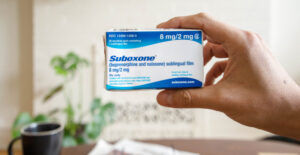
When you take buprenorphine/naloxone for opioid use disorder, you may wonder if your Suboxone dose is too low. Here’s how to tell.

I didn’t realize I was going through withdrawal at the time, but now I recognize the symptoms. Here’s what alcohol withdrawal felt like for me.
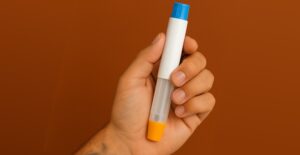
Follow these suggestions to keep your digestive side effects under control as you start GLP-1 medications.

Positive affirmations can help people achieve better self-confidence, reduce stress, and improve problem-solving abilities. Here’s how to use them.
In a recent webinar, two of Workit Health’s experts answred your questions about GLP-1 medications for alcohol use.

One of the most common questions we hear about Suboxone (buprenorphine/naloxone) is also one of the simplest: How do you take Suboxone?

There is a lot of pressure to get off Suboxone as quickly as possible. Here’s why you should seek stability instead of a rapid taper.

A recovery toolkit is the action-based practices and strategies that support our recovery journey. Here are some tools you could include in yours.
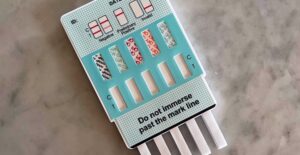
Urine drug screens are an important tool in treating opioid use disorder. Here is a look at how and why Workit Health uses them.

Ready to stop drinking, or looking to cut back? No matter why you’re interested in quitting drinking, these tips and strategies can help.

If your friends push you to drink, it can put your recovery at risk. So why do they do that? Here are 5 reasons friends may push you to drink