Substance Use Disorder Among Legal Professionals
Intelligence, training, and competence are no defense against addiction. Lawyers struggle with substance use disorder at the same rate as laypeople, and are twice as significantly more likely to have alcohol use disorder.

Substance Use Disorder Among Legal Professionals
Legal professionals face unique challenges in treating their mental health and addiction.
The law is an intense field that attracts type-A achievers who are used to being self-sufficient.They work long hours for high stakes. Many begin feeling the pressure beginning early in their careers; anxiety and stress that begins as 1Ls doesn’t let up as they study for the bar, strive to optimize their billable hours, and seek wins in the courtroom and boardroom.
Perhaps it shouldn’t be a surprise that many in legal professions turn to alcohol and drugs to self-medicate this stress. One study from the 1990s found that at least 15 percent of lawyers had alcohol use disorder, significantly higher than the general population, and law careers have not become less stressful since then.
Alcohol use disorder among legal professionals
Alcohol use disorder, alcoholism, blowing off steam … whatever you call it, many lawyers have an unhealthy relationship with alcohol. A large study of 12,825 lawyers found that 20.6% self-reported problematic drinking behaviors. While many dismiss the dangers of alcohol, claiming that they are high-functioning, the American Bar Association says that lawyers with alcohol dependence “are substantially more likely to underserve their clients, commit malpractice, face disciplinary action and disbarment, fall victim to mental health problems, and even take their own lives.”
Substance Use Disorder in Legal Professionals
As in many other high-pressure industries, stimulants are the most common drug of choice among lawyers. One study found that lawyers had tried cocaine at more than double the average rate among the general population. This is understandable, as stimulants create feelings of energy and alertness in those who use them, and lawyers are often working long hours to tight deadlines. Some in the legal field go the opposite route, however, using opioids, benzodiazepines, and other substances to self-medicate their stress and anxiety.
Mental health challenges facing lawyers and legal professionals
Mental health is a serious concern for people in legal professions. According to the Dave Nee Foundation, lawyers rank 5th highest in the nation for rate of suicide by profession and are the most frequently depressed occupational group in the United States. While mental health conditions like anxiety and depression can have many contributing factors, including heredity, it has been suggested that among lawyers they may be tied to stress, burnout, and vicarious trauma.
Obstacles that keep legal professionals from seeking help
Despite experiencing substance use disorder at the same rates as laypeople and alcohol use disorder at a significantly higher rate, lawyers often resist seeking treatment. In a 2016 study in cooperation with the American Bar Association, the two most commonly cited barriers were centered around privacy:
- Not wanting others to know they need help
Reputation can make or break a legal career, and many are unwilling to risk their professional reputation if others learn that they need treatment for alcohol or substance use. The other side of this coin is that by not seeking treatment, they make it more likely that their active addiction or substance use will damage their careers and reputations by making them less reliable and effective and more likely to engage in misconduct. It is estimated that substance use plays a role in 60 percent of all disciplinary cases brought against lawyers.
- Distrusting the confidentiality of treatment
Brian Cuban has written about his experiences with lawyers refusing to seek help from Legal Assistance Programs because they are so sure that word would get out. They are concerned with professional consequences if people see them at a 12-step meeting or rehab. While 12-step groups have strong norms around protecting anonymity, it can be difficult to trust in that with so much on the line. But treatment clinics are subject to HIPAA guidelines, and with the advent of telehealth, one does not need to go to a rehab in person.

Signs of substance use disorder among lawyers
The diagnostic criteria for substance use disorder are primarily around the ways that drinking or using impacts a person’s life, health, and relationships. But there are some warning signs that can be recognized. According to the American Bar Association, some signs of SUD or addiction in lawyers professionals include:
- Blowing deadlines or neglecting work
- Diminishing quality of work
- Suddenly closing their office door more frequently and otherwise attempting to avoid colleagues, partners, and administrative staff
- Unexplained lack of interest and enthusiasm toward their practice
- Unexplained change in appearance or disposition
- Missing or arriving late to meetings, court appearances, or depositions
- Drinking before meetings, depositions, court appearances, or otherwise at inappropriate times
- Willingness to drive under the influence
- Drinking before interactions with difficult clients in order to maintain their calm and composure
- Blaming others (colleagues, support staff, or outside contractors) for errors and missed deadlines
- Minimizing, downplaying, hiding, or lying about frequency and/or amount of drinking.
Getting help for addiction
It’s estimated that only one in ten people who need treatment for addiction receive it. Lawyers, judges, paralegals, and other legal professionals are often among the majority who struggle alone, whether out of fear of professional consequences, distrust of the confidentiality of treatment, or a work culture that normalizes substance use while dismissing help. Despite these concerns, people in the legal field deserve support to get their lives back. And taking care of themselves will make them better equipped to heal and care for others.
Treatment can offer support that will help stabilize addiction recovery and care for the other mental health concerns that might be tied to substance use. While many lawyers are not willing to go away to an in-person rehab for thirty or sixty days, the rise in telemedicine has made it possible to receive effective, science-backed addiction treatment via phone or computer. Workit Health is secure, WCAG-accessible, and a SOC 2 Type II compliant program—an industry leader in telehealth care.

For yourself, your loved ones, and your clients
The stigma around substance use disorder keeps many from seeking treatment, and this is especially true among legal professionals. With professional reputation on the line, we understand this reluctance. But substance use disorder is serious and often progressive, with consequences that affect yourself, your loved ones, and your clients.
You deserve expert care that can help you recover.
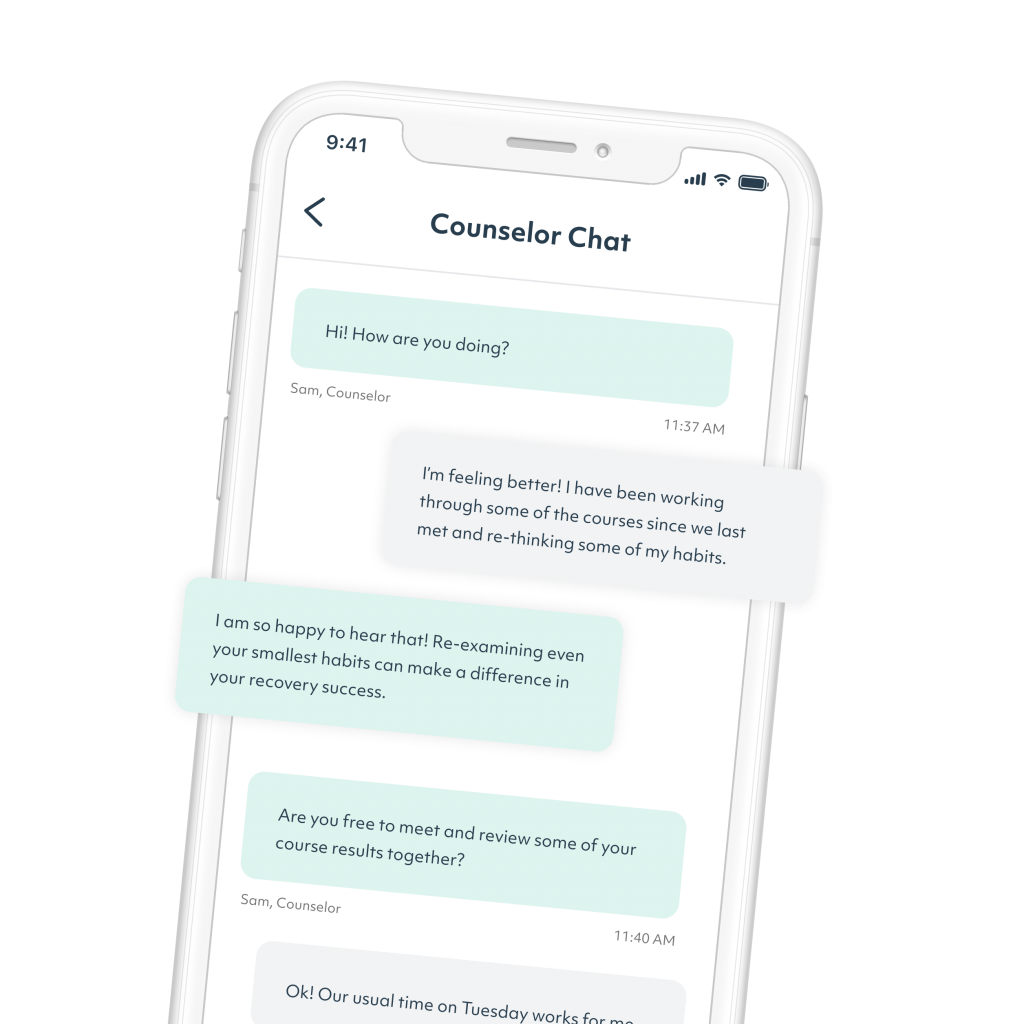
Start your recovery
No waiting rooms, no judgment, just easy streamlined virtual recovery care
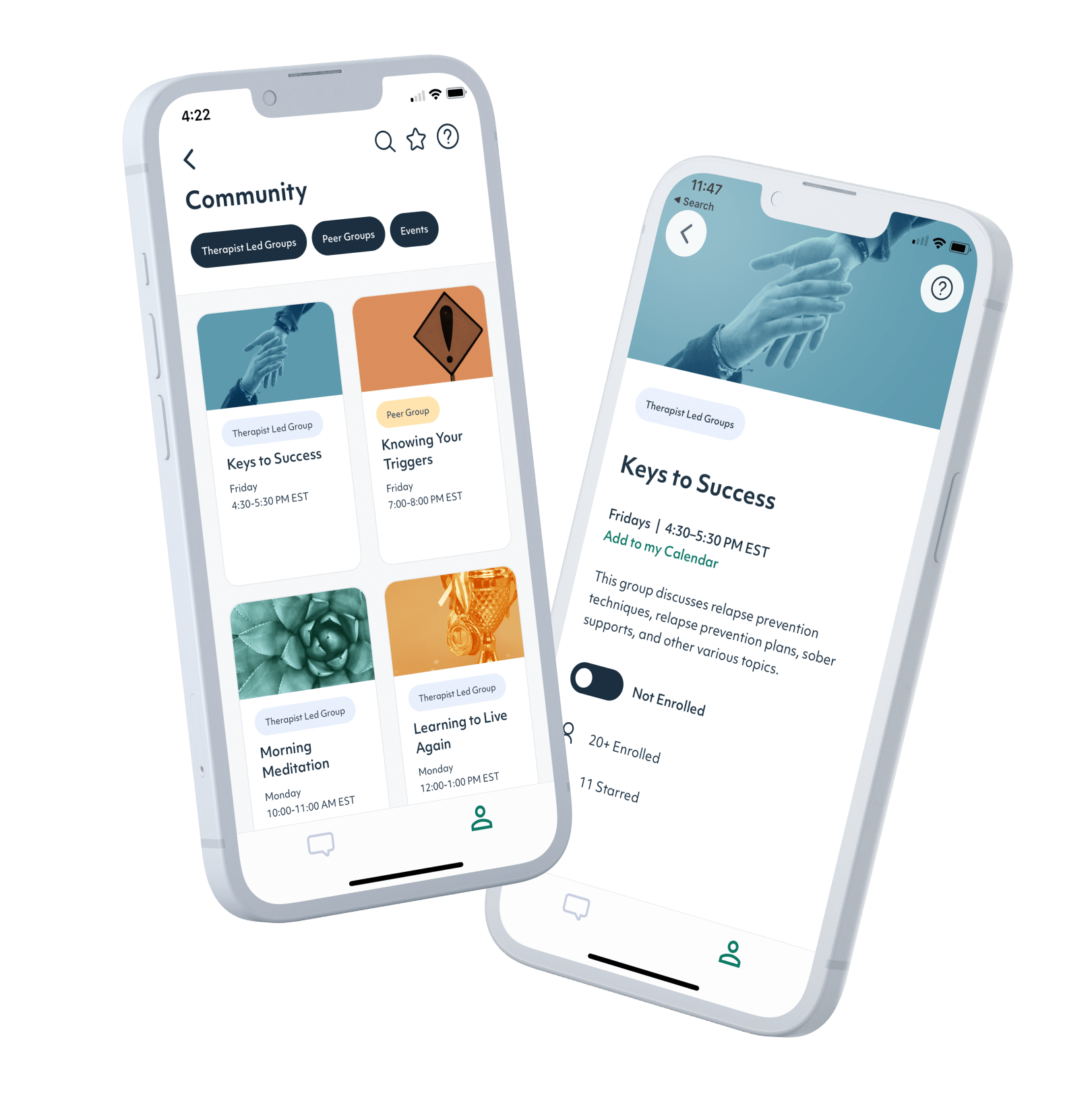
1. Sign up
It only takes a few minutes. Download our app and answer a few questions about your treatment goals, then schedule your first appointment.
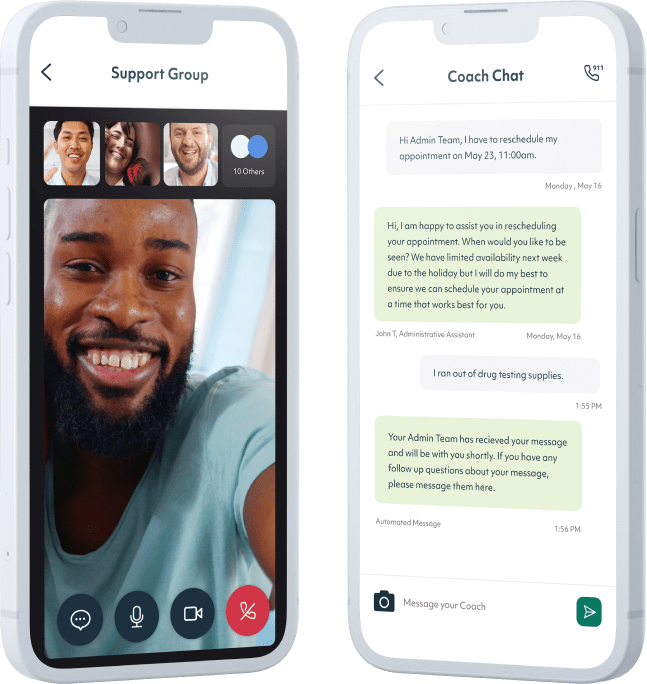
2. Meet with a provider
Meet with a licensed provider via a secure video appointment to set your recovery goals and establish your treatment plan.
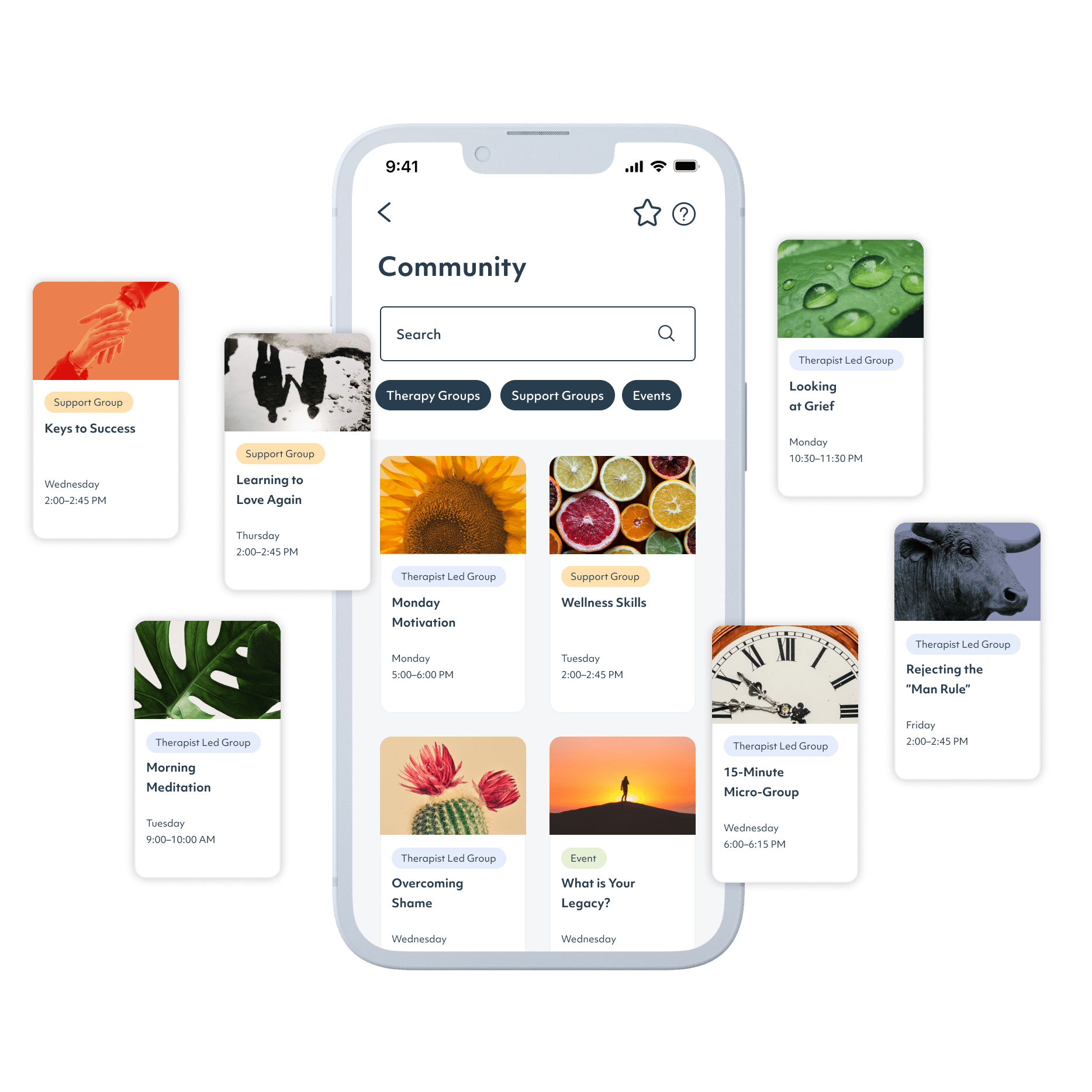
3. Get ongoing support
Shared Follow-up Appointments, recovery groups, and online community provide support and help you build skills to navigate life sober.
No waiting rooms, no judgment, just easy streamlined virtual recovery care
Trusted by major insurance providers
Citations
1. Drogin, E. (1991). Alcoholism in the legal profession: Psychological and legal perspectives and interventions. Law & Psychology Review, 15, 117–162.
2. Krill, P. R., Johnson, R., & Albert, L. (2016). Prevalence of Substance Use and Other Mental Health Concerns Among American Attorneys. Journal of Addiction Medicine, 10:1, 46-52. doi: 10.1097/ADM.0000000000000182
3. Allan, R.B. (1997). Alcoholism Drug Abuse and Lawyers: Are We Ready to Address the Denial?, Creighton Law Review, 31, 265-277.
4. Cuban, B. (2017, September 25). Why Are Lawyers Afraid To Ask For Help. https://briancuban.com/why-are-lawyers-afraid-to-ask-for-help/
5. Webb, M.S. (2021). Dissenting from Death: Preventing Lawyer Suicide. Voice of Experience, November 24, 2021.
6. Otey, B. S. (2014). Buffering burnout: Preparing the online generation for the occupational hazards of the legal profession. Southern California Interdisciplinary Law Journal. 24, 147-201.
6. Krill, P. R. (2014). If There Is One Bar a Lawyer Cannot Seem to Pass: Alcoholism in the Legal Profession. The Brief, 44: 1, Fall 2014.