Construction and Labor: Addiction and Mental Health
Construction is difficult, physical work that wears on a body. Perhaps it’s no surprise that many of the people in this industry use alcohol and drugs to relax after work and to soothe their pain. Unfortunately, for some this leads to dependence and addiction.
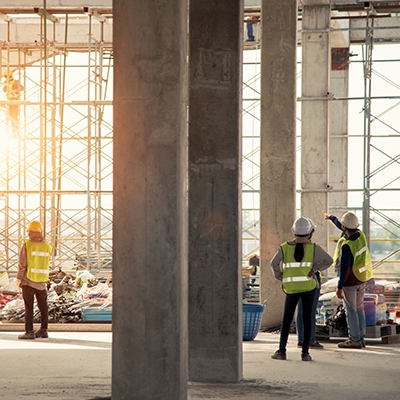
Construction and Labor: Addiction and Mental Health
Construction is difficult, physical work that wears on a body. Perhaps it’s no surprise that many of the people in this industry use alcohol and drugs to relax after work and to soothe their pain. Unfortunately, for some this leads to dependence and addiction.
Construction workers and tradespeople face unique challenges in treating their mental health and addiction.
The nation relies on construction and trade to build and maintain our infrastructure, workplaces, and homes. From parks to highways, bridges to highrises, workers in the construction industry have very literally built our world. This labor is demanding and difficult, often requiring long hours, and it takes a toll on body and mind. Workers in this industry report high levels of stress, which affects their sleep, concentration, and relationships.
To cope with this stress and with the physical demands of their jobs, many construction workers—from laborers up to foremen—lean on alcohol and drugs for relief. In a national survey, construction workers had the second highest rate of substance use disorder out of all industries.
Opioid use among construction workers
One factor that heavily impacts opioid use among construction workers is chronic pain. Manual labor is hard on the body, and it is common for workers in this industry to seek pain relief after an injury or simply due to wear and tear. Opioid pain relievers are often prescribed, and a significant number of construction workers develop a dependence or addiction.
This has led to serious consequences in the industry. Opioid overdose deaths have increased within the construction industry at double the rate of other professions. Opioid use also increases the risk of workplace accidents and injuries.
Alcohol and drinking among construction workers
The construction industry has one of the highest rates of heavy drinking in the country, second only to mining. Construction crews often build a sense of camaraderie and teamwork around drinking together. This ‘work hard, play hard’ atmosphere can normalize drinking in a way that makes it difficult to spot when it has become a problem. Another reason many construction workers drink is in an attempt to self-medicate their anxiety, depression, and burnout.
Stimulant use in construction workers
Construction is an industry rife with long hours, overtime, and irregular schedules. To stay alert and productive throughout their shifts, some in the industry turn to stimulants, including cocaine and meth. These drugs are highly addictive, which often turns a quick pick-me-up into a destructive dependence.
Challenges that keeps construction workers from seeking help
From the outside, it seems apparent that many in the construction industry are suffering from substance use disorders and need help. After all, construction workers are more likely to die from opioid overdose than members of any other studied profession. From the inside, though, there are many barriers stopping them from reaching out. Here are some of the reasons why construction workers may not seek treatment:
A culture of toughness
No matter their gender, people who work in the constriction industry often feel pressured to be a “tough guy,” to work through their pain and hide their emotions. This culture can make it very difficult to admit that you need help, viewing that as a weakness. Because many, many people struggling with addiction, alcoholism, and dependence find that they can’t get a grip on their problem alone, this hesitation to seek help can keep a person trapped in a cycle of substance use and shame.
Distrust of medical professionals
Many construction workers view medical professionals with a sense of distrust. After all, what does this clinician or counselor in their shiny office know about the difficulties and realities of construction or trade? This can be worsened when an opioid addiction or dependence began with a prescription. In this case, it seems like doctors where the cause of the problem in the fisr place. But clinicians, counselors, and coaches who specialize in addiction really do have insight into why drugs and alcohol have the effect they do, and expertise in getting past cravings and building healthier new patterns.
Job security concerns
While many construction workers have the support of a labor union, many others do not. If a worker takes time off for rehab, they may worry that they won’t have a job to come back to. And if they have an hourly position, as so many do, they won’t be earning for the time that they are off to get treatment.
Opioid dependence among construction workers
One factor that heavily impacts opioid use among construction workers is chronic pain. Manual labor is hard on the body, and it is common for workers in this industry to seek pain relief after an injury or simply due to wear and tear. Opioid pain relievers are often prescribed, and a significant number of construction workers develop a dependence or addiction.
This has led to serious consequences in the industry. Opioid overdose deaths have increased within the construction industry at double the rate of other professions. Opioid use also increases the risk of workplace accidents and injuries.
Alcohol and drinking among construction workers
The construction industry has one of the highest rates of heavy drinking in the country, second only to mining. Construction crews often build a sense of camaraderie and teamwork around drinking together. This ‘work hard, play hard’ atmosphere can normalize drinking in a way that makes it difficult to spot when it has become a problem. Another reason many construction workers drink is in an attempt to self-medicate their anxiety, depression, and burnout.
Stimulant use in construction workers
Construction is an industry rife with long hours, overtime, and irregular schedules. To stay alert and productive throughout their shifts, some in the industry turn to stimulants, including cocaine and meth. These drugs are highly addictive, which often turns a quick pick-me-up into a destructive dependence.
Concerns with seeking help for addiction
From the outside, it seems apparent that many in the construction industry are suffering from substance use disorders and need help. After all, construction workers are more likely to die from opioid overdose than members of any other studied profession. From the inside, though, there are many barriers stopping them from reaching out. Here are some of the reasons why construction workers may not seek treatment:
No matter their gender, people who work in the constriction industry often feel pressured to be a “tough guy,” to work through their pain and hide their emotions. This culture can make it very difficult to admit that you need help, viewing that as a weakness. Because many, many people struggling with addiction, alcoholism, and dependence find that they can’t get a grip on their problem alone, this hesitation to seek help can keep a person trapped in a cycle of substance use and shame.
Many construction workers view medical professionals with a sense of distrust. After all, what does this clinician or counselor in their shiny office know about the difficulties and realities of construction or trade? This can be worsened when an opioid addiction or dependence began with a prescription. In this case, it seems like doctors were the cause of the problem in the first place. But clinicians, counselors, and coaches who specialize in addiction really do have insight into why drugs and alcohol have the effect they do, and expertise in getting past cravings and building healthier new patterns
While many construction workers have the support of a labor union, many others do not. If a worker takes time off for rehab, they may worry that they won’t have a job to come back to. And if they have an hourly position, as so many do, they won’t be earning for the time that they are off to get treatment.
Signs of addiction in construction workers
There’s growing concern in America about substance use in general, and among construction workers in specific. Among the suggestions for reducing the risk is education about the hazards of substance use and better recognition of when it is becoming a problem.
Many people hide their struggles with substance use, but there can be warning signs (many of which are also signs of other kinds of distress). These are a few causes for concern:
- Increased risk-taking
- Neglecting responsibilities
- Bloodshot eyes, pupils larger or smaller than usual
- Changes in appetite, sleep patterns, physical appearance
- Unusual smells on breath, body, or clothing
- Impaired coordination
- A drop in attendance and performance at work
- Unexplained change in personality or attitude
- Sudden mood swings, irritability, spaced-out, or angry outbursts
Getting help for addiction
It’s estimated that only one in ten people who need treatment for addiction receive it. Far too often, construction workers are among the majority who struggle alone, whether out of distrust of medical professionals, fear of losing their jobs, or a culture that encourages toughness and normalizes substance use. Despite these concerns, construction workers deserve support to get their lives back. Taking care of themselves will make them safer and better at their jobs, and healthier in their lives and relationships.
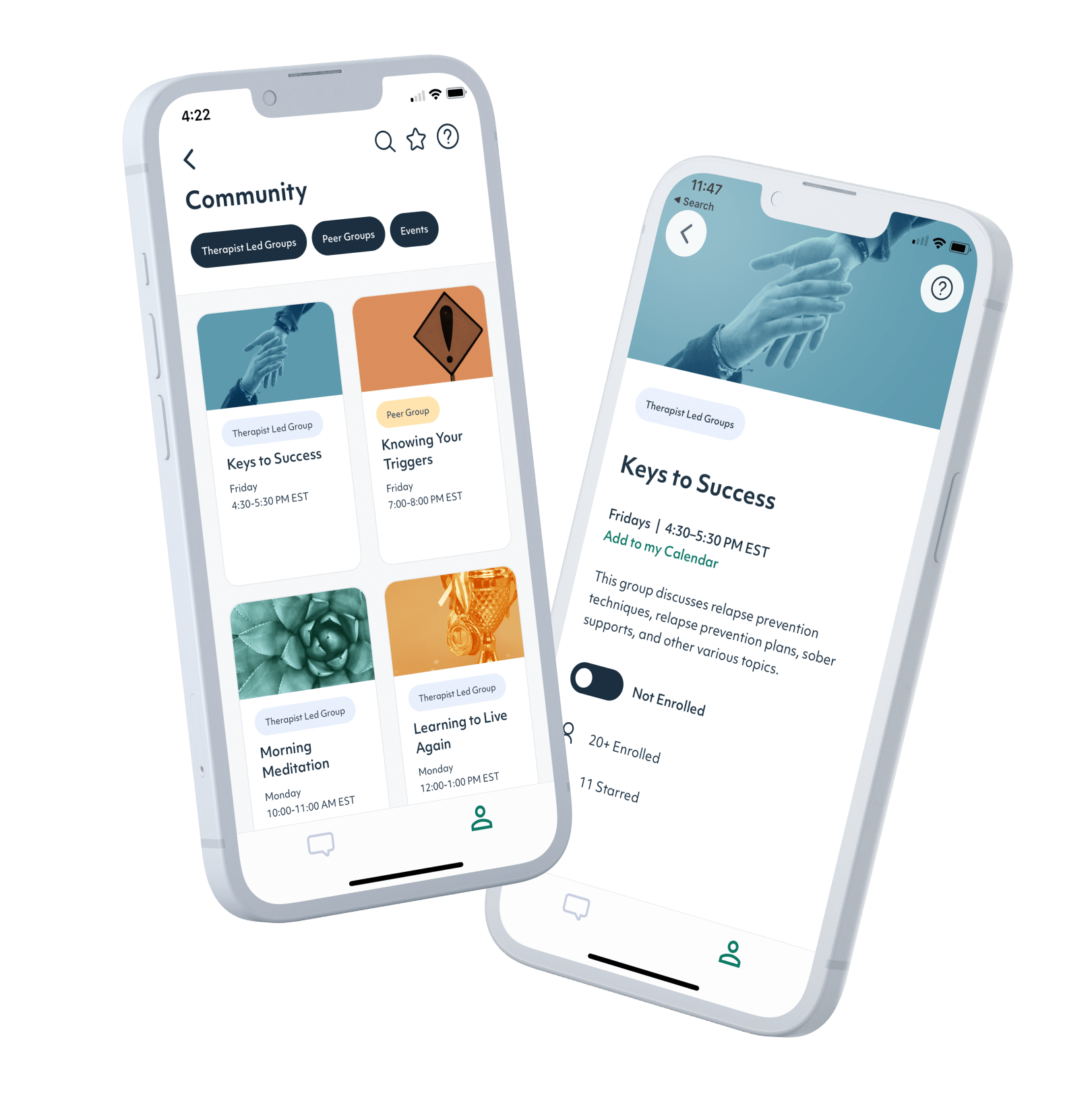
Treatment can offer support that will help stabilize addiction recovery and care for the other mental health concerns that might be tied to substance use. While many construction workers do not feel able to go away to an in-person rehab for thirty or sixty days, the rise in telemedicine has made it possible to receive effective, science-backed addiction treatment via phone or computer. Workit Health’s app is secure and discreet, and offers both clinical treatment and behavioral health support from the privacy of home.
Start your recovery
No waiting rooms, no judgment, just easy streamlined virtual recovery care
1. Sign up
It only takes a few minutes. Download our app and answer a few questions about your treatment goals, then schedule your first appointment.

2. Meet with a provider
Meet with a licensed provider via a secure video appointment to set your recovery goals and establish your treatment plan.
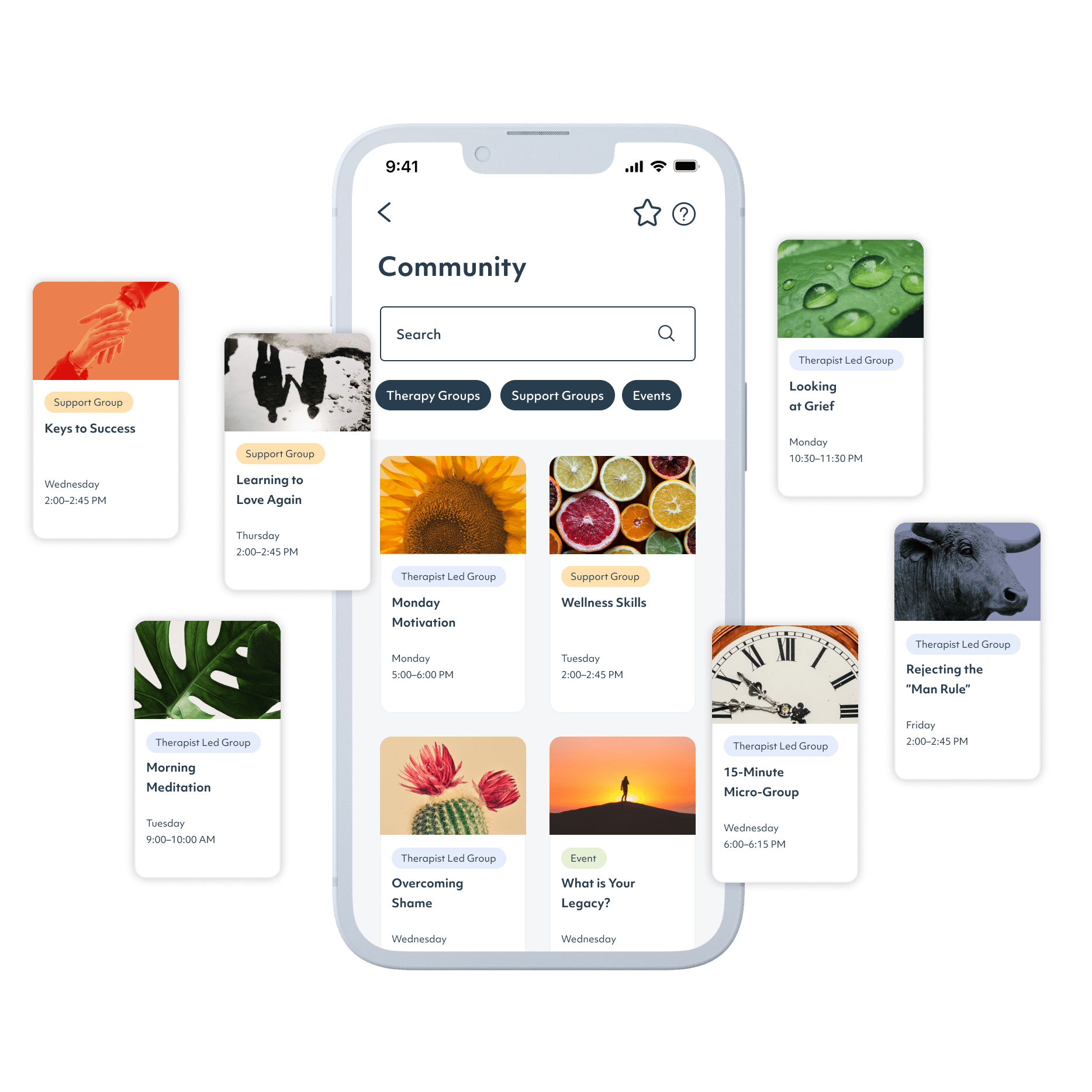
3. Get ongoing support
Shared Follow-up Appointments, recovery groups, and online community provide support and help you build skills to navigate life sober.
No waiting rooms, no judgment, just easy streamlined virtual recovery care
Trusted by major insurance providers
Citations
1. Bowen, P., Edwards, P., Lingard, H., & Cattell, K. (2014). Workplace Stress, Stress Effects, and Coping Mechanisms in the Construction Industry. Journal of Construction Engineering and Management, 140:3. https://doi.org/10.1061/(ASCE)CO.1943-7862.0000807.
2. Bush, D.M. & Lipari, R.N. (2015). The CBHSQ Report: Substance Use and Substance Use Disorder, by Industry. Substance Abuse and Mental Health Services Administration, Center for Behavioral Health Statistics and Quality. https://www.samhsa.gov/data/sites/default/files/report_1959/ShortReport-1959.html.
3. Dong, XS, Brooks, RD, Cain, CT. (2020). Prescription opioid use and associated factors among US construction workers. American Journal of Industrial Medicine. 63: 868– 877. https://doi.org/10.1002/ajim.23158.
4. Flannery, J., Ajayi, S. O., & Oyegoke, A. S. (2021). Alcohol and substance misuse in the construction industry, International Journal of Occupational Safety and Ergonomics, 27:2, 472-487. https://doi.org/10.1080/10803548.2019.1601376.
5. Phare, S. (2010). Workplace addiction and mental health in the construction industry. Canadian Electronic Library. https://policycommons.net/artifacts/1193548/workplace-addiction-and-mental-health-in-the-construction-industry/1746672/
6. New York University. (2019, October 30). Of all professions, construction workers most likely to use opioids and cocaine: Study points to need for programs to prevent drug-related harm among workers in risky industry. ScienceDaily. https://www.sciencedaily.com/releases/2019/10/191030082825.htm.
7. Roelofs, C., Rodman, C., Rinehart, R., & Trahan Cain, C. (2021). Preventing Opioid-Related Harms in the Construction Industry. NEW SOLUTIONS: A Journal of Environmental and Occupational Health Policy. 31:3, 367-372. https://doi.org/10.1177/10482911211008174.