Teachers: Addiction and Mental Health
In many ways, teachers are the backbone of our nation, shaping the skills, reasoning, and habits of our youth. Despite being put upon a pedestal, teachers are still human, and the pressures of their work make them susceptible to addiction and mental health disorders.
Teachers: Addiction and Mental Health
In many ways, teachers are the backbone of our nation, shaping the skills, reasoning, and habits of our youth. Despite being put upon a pedestal, teachers are still human, and the pressures of their work make them susceptible to addiction and mental health disorders.

Teachers face unique challenges in treating their mental health and addiction.
All over the world, teachers provide an invaluable, yet often unappreciated service. These professionals draw gushing praise and harsh criticism—often at the same time. They are underpaid, under-resourced, and overworked. These factors combine to form a very demanding work environment. A whopping one in five teachers feels stressed about their job, in comparison to one in eight in other careers.
To handle their stress and workload, overworked teachers may adopt unhealthy coping mechanisms. In some places, 22% of teachers reported drinking more alcohol, while 10% had formed a dependence on prescription medication.
For many teachers, these measures seem like normal ways to cope. But when they get to be too much, teachers who find themselves with an addiction or dependence are often unable to seek help for their condition. This page will discuss why teachers do not seek proper care for addiction. But first, let’s look at the circumstances that make teaching so challenging, and some common warning signs of addiction.
Substance use among teachers
At first glance, teaching may not seem like a profession at high risk of substance abuse. However, a closer look at the conditions teachers face shows the truth.
An educator’s workday may consist of planning lessons and activities, grading papers, monitoring clubs, helping with lunch and bus duty, completing administrative tasks communicating with parents … all that on top of their main role of actually teaching their students. They often find themselves providing moral support and discipline to their students. They also have to adapt their plans as they handle pupils who learn at different speeds. The heavy workload often makes for a poor work-life balance. It is widely recognized that many teachers do vast amounts of unpaid labor before and after their official workday, and it affects their well-being. One study found that around 41% of teachers felt dissatisfied with their time off.
Adding to the high-stress environment, educators are notoriously poorly compensated for their work, despite its clear importance. It isn’t uncommon for teachers to take on second jobs to get by, and many use that money to pay for classroom necessities that should be provided by the schools. From an online survey of thousands of teachers, 67% claimed that their job often left them with low morale and self-esteem.
The stress and burnout suffered by teachers can also lead to physical and mental health conditions. These mental health challenges are especially obvious in the wake of the pandemic, as more educators report struggles with depression and anxiety. In a 2021 survey, 75% of teachers responded that their morale was lower than it had been pre-pandemic.
Many teachers turn to drugs and alcohol to handle work-related stress, financial challenges, and the mental strain of their jobs.
Challenges that keeps teachers from seeking help
As a teacher, it’s easy to say that increased drinking is just stress relief. Likewise, medication (sleeping pills, stimulants to get through the long workday, and opioids for chronic pain) may be considered by some as a requirement for the job.
When alcohol intake and drug use begin to cause social, financial, and health problems, it’s important to seek help. For teachers however, it may not be so easy. Here are some of the reasons why teachers may not seek treatment:
Public opinion pressures
Teachers are human first, but they often have to live under the halo effect. Teaching is one of the few remaining positions that often has a morality clause. Because alcoholism and substance use are so heavily stigmatized, many teachers choose to suffer through them than to risk their reputations and careers by admitting they have a problem.
Financial cost of treatment
Professional care can be hugely beneficial in managing addiction. However, this may not always be affordable on a teacher’s salary. Ideally, schools should have Employee Assistance Programs that help to offset healthcare costs. But many do not. Even in those school districts that do offer these services, teachers may fear that their confidentiality will be breached if billing information goes to their employers.
Job security
Because inpatient and intensive outpatient treatment options might require time off from teaching, teachers may fear for their jobs if they take these options. And as per the morality clause discussion about, they may fear losing their jobs if their substance use disorder becomes known.
Concern about the impact on students
Even if a teacher has no fear that they will lose their position for taking time off to get treatment, they often worry about the well-being of their students. Requirements for substitutes are very different from requirements for teachers, and some would rather not entrust their students to a sub for long enough to get help.
Substance use among teachers
At first glance, teaching may not seem like a profession at high risk of substance abuse. However, a closer look at the conditions teachers face shows the truth.
An educator’s workday may consist of planning lessons and activities, grading papers, monitoring clubs, helping with lunch and bus duty, completing administrative tasks communicating with parents … all that on top of their main role of actually teaching their students. They often find themselves providing moral support and discipline to their students. They also have to adapt their plans as they handle pupils who learn at different speeds. The heavy workload often makes for a poor work-life balance. It is widely recognized that many teachers do vast amounts of unpaid labor before and after their official workday, and it affects their well-being. One study found that around 41% of teachers felt dissatisfied with their time off.
Adding to the high-stress environment, educators are notoriously poorly compensated for their work, despite its clear importance. It isn’t uncommon for teachers to take on second jobs to get by, and many use that money to pay for classroom necessities that should be provided by the schools. From an online survey of thousands of teachers, 67% claimed that their job often left them with low morale and self-esteem.
The stress and burnout suffered by teachers can also lead to physical and mental health conditions. These mental health challenges are especially obvious in the wake of the pandemic, as more educators report struggles with depression and anxiety. In a 2021 survey, 75% of teachers responded that their morale was lower than it had been pre-pandemic.
Many teachers turn to drugs and alcohol to handle work-related stress, financial challenges, and the mental strain of their jobs.
Concerns with seeking help for addiction
As a teacher, it’s easy to say that increased drinking is just stress relief. Likewise, medication (sleeping pills, stimulants to get through the long workday, and opioids for chronic pain) may be considered by some as a requirement for the job.
When alcohol intake and drug use begin to cause social, financial, and health problems, it’s important to seek help. For teachers however, it may not be so easy. Here are some of the reasons why teachers may not seek treatment:
Teachers are human first, but they often have to live under the halo effect. Teaching is one of the few remaining positions that often has a morality clause. Because alcoholism and substance use are so heavily stigmatized, many teachers choose to suffer through them than to risk their reputations and careers by admitting they have a problem.
Professional care can be hugely beneficial in managing addiction. However, this may not always be affordable on a teacher’s salary. Ideally, schools should have Employee Assistance Programs that help to offset healthcare costs. But many do not. Even in those school districts that do offer these services, teachers may fear that their confidentiality will be breached if billing information goes to their employers.
Because inpatient and intensive outpatient treatment options might require time off from teaching, teachers may fear for their jobs if they take these options. And as per the morality clause discussion about, they may fear losing their jobs if their substance use disorder becomes known.
Even if a teacher has no fear that they will lose their position for taking time off to get treatment, they often worry about the well-being of their students. Requirements for substitutes are very different from requirements for teachers, and some would rather not entrust their students to a sub for long enough to get help.

Signs of addiction in teachers
Teachers resorting to drugs and alcohol is far from a new development. In 1990, a survey of 500 teachers revealed that 36.4% of participants were likely to leave the profession, and many had resorted to heavy use of drugs and alcohol to cope with the strain of their work.
Many people hide their struggles with substance use, but there can be warning signs (many of which are also signs of other kinds of distress). These are a few causes for concern:
- Neglected personal appearance
- A lack of interest in former pastimes
- Erratic moods
- Unpredictable changes in energy
- Changes in sleep patterns
- Troubles executing work duties
- Difficulty maintaining relationships
- Financial issues
Getting help for addiction
It’s estimated that only one in ten people who need treatment for addiction receive it. Teachers are often among the majority who struggle alone, whether out of fear of professional consequences, lack of access to treatment, difficult work schedules, or peer pressure that normalizes substance use while dismissing help. Despite these concerns, teachers deserve support to get their lives back. And taking care of themselves will make them better equipped to teach and guide others.
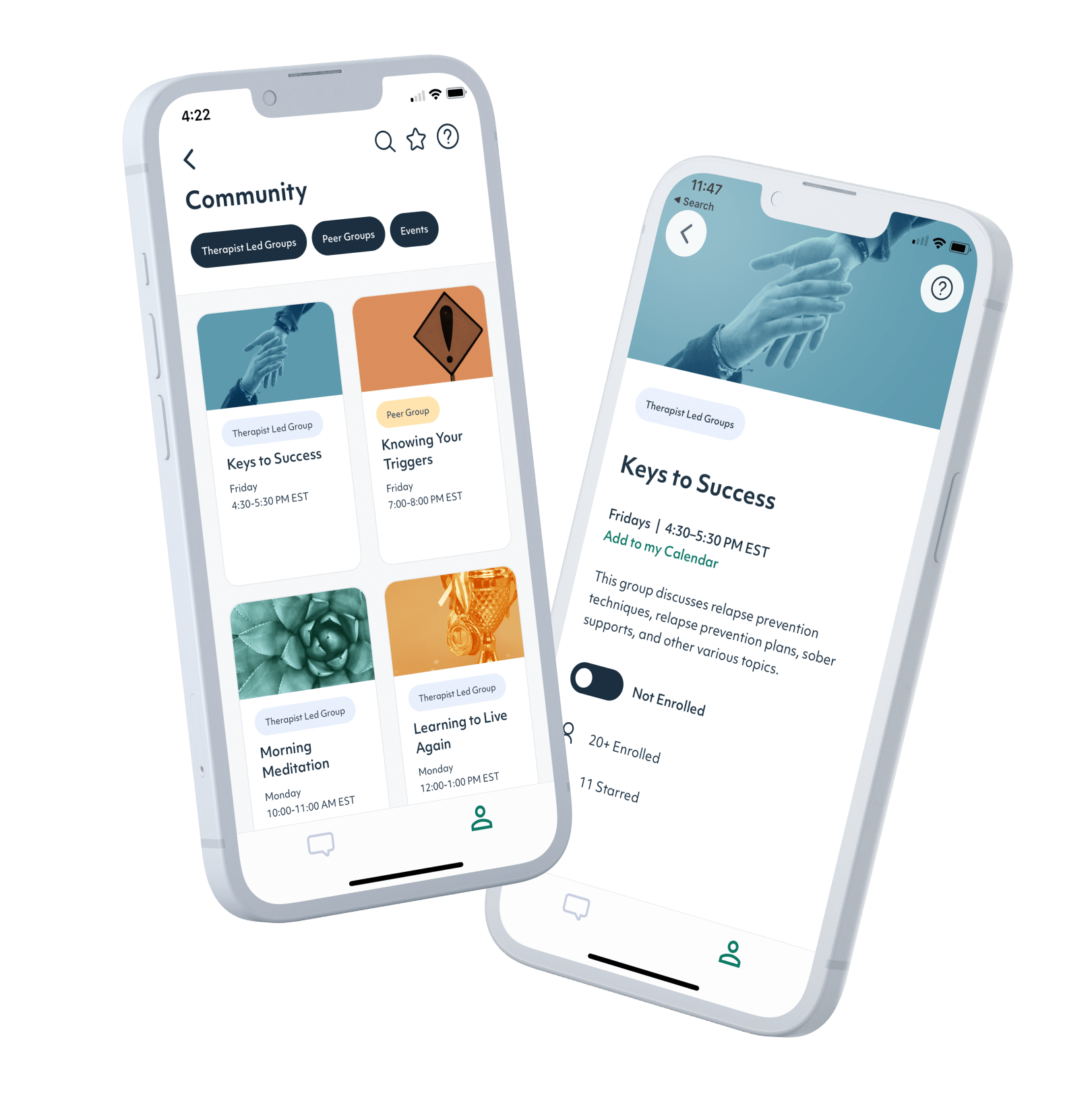
Treatment can offer support that will help stabilize addiction recovery and care for the other mental health concerns that might be tied to substance use. While many teachers do not feel able to go away to an in-person rehab for thirty or sixty days, the rise in telemedicine has made it possible to receive effective, science-backed addiction treatment via phone or computer. Workit Health’s app is secure and discreet, and offers both clinical treatment and behavioral health support from the privacy of home.

Start your recovery
No waiting rooms, no judgment, just easy streamlined virtual recovery care
1. Sign up
It only takes a few minutes. Download our app and answer a few questions about your treatment goals, then schedule your first appointment.

2. Meet with a provider
Meet with a licensed provider via a secure video appointment to set your recovery goals and establish your treatment plan.

3. Get ongoing support
Shared Follow-up Appointments, recovery groups, and online community provide support and help you build skills to navigate life sober.
No waiting rooms, no judgment, just easy streamlined virtual recovery care