Skip to content

Marc Lee Shannon Live in Concert | Wed. Nov. 19th

  • Online Recovery
    • Quit Opioids
    • Suboxone
    • Insurance or self-pay
    • At-home drug screenings
    • Quit Kratom
    • Medication assistance
    • Insurance or self-pay
    • Whole-person care (anxiety, insomnia, etc.)
    • Quit Drinking
    • Campral
    • Naltrexone
    • Insurance or self-pay
    • 100% Online
    • Non-judgmental providers
    • Help with co-occurring disorders​
    • Recovery groups
    • Real people (No AI bots)
  • About Us
    • Our Research

    Advancing substance use treatment through rigorous, peer-reviewed research and actionable insights.

    • Our Mission

    Everyone deserves access to the gold standard of treatment, without judgment.

    • Growing Our Team

    Join us in transforming addiction treatment and improving lives through digital care.

    • Founded and operated by people in recovery since 2015
  • Resources
    • Workit Health
    • Insurance checker
    • Locations
    • Reviews
    • Articles
    • Member stories
    • Opioid addiction help
    • Suboxone Basics
    • Quit drinking
    • Naltrexone basics
    • For friends and family
    • Resources
    • Help a loved one with addiction
    • Mental health apps
    • Helplines and support
    • Community in recovery
    • Medication resources
    • 32k+ App store reviews
    • 35k+ Members
    • 33% Referred by friends or family
  • Partners
  • Make A Referral
Book now
Book now
Book now
Login
  • Quit Opioids
  • Suboxone
  • Insurance or self-pay
  • At home drug screenings
  • Quit Kratom
  • Medication assistance
  • Insurance or self-pay
  • Whole-person care (anxiety, insomnia,etc.)
  • Quit Drinking
  • Medication assistance
  • Insurance or self-pay
  • Recovery groups
  • 100% Online
  • Non-judgmental providers
  • 35k+ Members
  • 3.2k+ Reviews
About Us
  • Our Research
  • Our Mission
  • Growing Our Team
Resources
  • Workit Health
  • Insurance checker
  • Locations
  • Reviews
  • Articles
  • Member stories
  • Opioid addiction help
  • Suboxone Basics
  • Quit drinking
  • Naltrexone basics
  • For friends and family
  • Resources
  • Help a loved one with addiction
  • Mental health apps
  • Helplines and support
  • Community in recovery
  • Medication resources
  • Partners
  • Make A Referral

Alcohol withdrawal can be scary, but being prepared can help.

Tap on a topic to learn more about alcohol withdrawal symptoms and treatment.
What does "alcohol withdrawal" really mean?

Alcohol withdrawal symptoms

Post-acute withdrawal syndrome

The benefits of quitting or moderating alcohol use

The risks of alcohol detox

Coping with withdrawal symptoms

Medication-assisted treatment for AUD

How do I know if I should stop drinking?

What does "alcohol withdrawal" really mean?

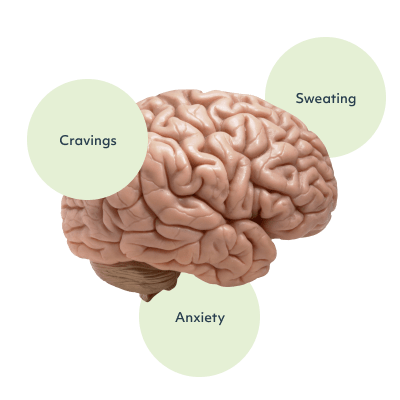
Alcohol withdrawal is a catchall term that refers to the group of symptoms that occur when someone suddenly stops or reduces their drinking—the time period that is commonly called detox. Withdrawal symptoms include psychological effects (like cravings and anxiety) and physical effects (like sweating and high blood pressure). While withdrawal is uncomfortable when someone stops many substances, alcohol withdrawal, in particular, brings serious medical risks. 

The good news is that alcohol withdrawal is temporary. For most people, the worst is over in under a week. 

The risks of alcohol detox

Since alcohol is readily available across the country, it’s common to think of it as safe. Even when problems with alcohol use disorder (often referred to as alcoholism or alcohol abuse) arise, many people think that they’ll be fine if they just stop drinking. To be clear, quitting drinking or moderating your alcohol intake is an excellent goal, and we support it. But it’s important to be aware of the risks of alcohol detox so you can be prepared if they crop up after you stop or reduce your drinking.

Many people detox from alcohol at home, but it is important to have trusted people check in regularly. Because there are health risks and a chance of death, people with a history of experiencing delirium tremens or withdrawal-induced seizures should seek medical supervision.

man-glasses-teal

Alcohol withdrawal symptoms

Alcohol withdrawal symptoms can begin sooner than many people realize—usually less than 8 hours after the last drink. They can also occur days after stopping drinking.

The most severe symptoms of alcohol withdrawal include seizures and hallucinations, which manifest 1 to 2 days after withdrawal symptoms begin, and delirium tremens (DTs). DTs can develop between 1 and 4 days after withdrawal starts. They are characterized by disorientation and often include severe agitation, rapid heartbeat, high blood pressure, and fever. They can cause heart attack and stroke. About five percent of the patients who experience DTs die.

Common alcohol withdrawal symptoms

  • Anxiety
  • Headache
  • Fatigue
  • Irritability
  • Shakiness or tremors
  • Nausea
  • Sweating
  • Insomnia
  • Rapid heart rate

Symptoms of delirium tremens

Delirium tremens (DTs) is very serious and dangerous, and can occur during alcohol withdrawal. DTs usually arise between 1 and 3 days after stopping drinking. Seek emergency medical care if these symptoms occur.

  • Confusion/disorientation
  • Agitation
  • Fever
  • Hallucinations (seeing, hearing, or feeling things that aren’t there)
  • Seizures
  • High blood pressure
  • Loss of consciousness

Coping with withdrawal symptoms

If you’re detoxing at home (without medical supervision), your best option is to plan the kinds of comfort that usually help when you’re sick. If possible, stay in a quiet, calm environment away from disruptions. Keep hydrated with water and electrolyte drinks like coconut water or sports drinks. Wear comfortable clothing, and have changes of clothes available so you can change them if you get sweaty and chilled. Your appetite may be affected, but try to have small, frequent meals, like yogurt or soup. Music, television, books, or other forms of entertainment can help your thoughts from spiraling into negativity.

If you are undergoing medical supervision for your detox, your providers may prescribe medications to help ease the discomfort of withdrawal. Even if a home detox was the plan, anyone who begins to experience hallucinations or seizures should seek emergency medical assistance immediately.

Post-acute withdrawal syndrome

Many people experience withdrawal symptoms for a prolonged period of time, beyond the typical 1-2 week window. This extended process of withdrawal is called post-acute withdrawal syndrome (PAWS). PAWS often recurs periodically in episodes of a few days and can fluctuate in severity. These episodes can persist for up to two years. It is estimated that up to 75% of heavy drinkers who quit alcohol may experience PAWS to some extent.

Common symptoms of PAWS:

  • Irritability
  • Cravings
  • Apathy
  • Anxiety or panic
  • Depression
  • Insomnia
  • Mood swings
  • Low energy/fatigue
  • Chronic pain
  • Difficulty with cognitive tasks (remembering things, learning, problem-solving)

PAWS symptoms can be triggered or made more severe by stressful situations, but they can also recur without any obvious triggers. If PAWS causes you distress, speak with your healthcare provider.

sick-detox
hand-pill

Medication-assisted treatment for alcohol use disorder

There are FDA-approved medications that help to control alcohol cravings and stabilize long-term recovery.

Naltrexone

Naltrexone (ReVia) belongs is a group of medications called opioid antagonists. It reduces the motivation to drink by blocking the reinforcement or reward of alcohol. Over time, this begins to change the brain’s reaction to alcohol, and many people find that they lose interest in drinking. It is also used in opioid addiction recovery. Naltrexone can be taken by those who are moderating their drinking and by those who have stopped drinking entirely. It should not be taken by those who are using opioids, as it can precipitate opioid withdrawal. Naltrexone is usually well tolerated. The main side effects may be digestive upset, tiredness, headache, and dizziness, which usually pass.

Acamprosate (Campral)

Acamprosate (Campral) is believed to act by correcting some of the brain changes caused by chronic alcohol consumption. Drinking affects some of the neurotransmitters that make you feel calm, and when you quit drinking you can feel poorly because of this. Acamprosate decreases these uncomfortable symptoms by affecting neurotransmitters in the brain that cause excitability. Acamprosate does not have a high potential addiction risk. Acamprosate is usually well tolerated. The main side effect may be diarrhea, which should be mild and usually passes quickly.

Medications for withdrawal

Some doctors prescribe medications to relieve the discomfort of alcohol withdrawal. These can include gabapentin and topiramate, which are intended for other purposes but have been discovered to be helpful for some people with alcohol use disorder. Your healthcare provider can also suggest over-the-counter medications to relieve discomfort from alcohol withdrawal symptoms.

Physicians may also prescribe benzodiazepines—diazepam, chlordiazepoxide (Librium), clonazepam (Klonopin), etc.—to those in withdrawal from alcohol use.

The benefits of quitting or moderating alcohol use

Physical health benefits

  • No more hangovers to make your body suffer from aches, nausea, and dehydration.
  • Support your natural, healthy immune system, which can be impeded by alcohol.
  • Your cancer risk factors will go down.
  • Digestive health can recover from the recurring nausea, diarrhea, acid reflux, and reduced ability to absorb nutrients that often result from heavy drinking.
  • Your cardiovascular system can heal from the strain alcohol placed on it.
  • Your sleep patterns have a chance to recover, with alcohol no longer disrupting your REM cycles.

Mental health benefits

  • Your memory can improve, with alcohol no longer causing blackouts and mental fog.
  • Your brain can recover from the damaging effects of alcohol.
  • You will be able to feel a full range of emotions again.

Social health benefits

  • Save money that you’re no longer spending on drinks, getting rides when you’ve been drinking, and impulsive purchases made while under the influence.
  • Have more free time, once your day is no longer filled (or is less filled) with planning when you’ll be able to drink, getting alcohol, and consuming alcohol.
  • Gain more control over your actions and choices, without the impairment of drinking to excess.

man-neck-stretch

Get the latest recovery news

Instagram Linkedin-in Facebook-f Youtube
    • Treatments
    • Opioids
    • Kratom
    • Alcohol


  • About Workit Health
  • Contact us
  • Our team
  • Media spotlight
  • Careers
  • We Accept Insurance
  • Check insurance
  • Aetna
  • Anthem of Ohio
  • Horizon BCBSNJ
  • Humana
  • Resources
  • What is harm reduction?
  • Addiction recovery resources
  • Suboxone FAQs
  • Blog
  • Friends and Family
  • Resources for friends and family
  • Help Them Heal Guide
  • Members
  • Login
  • Community
  • Request medical records
  • Tech support guides
  • Call us: 855-659-7734 M-F 8am-9pm EST
    • Partners
    • Make a referral
    • For health plans
    • For providers and hospitals
    • Third-party medical records requests
Read more about Suboxone risks and concerns

Suboxone (buprenorphine/naloxone) is indicated for the treatment of opioid dependence in adults. Suboxone should not be taken by individuals who have been shown to be hypersensitive to buprenorphine or naloxone as serious adverse reactions, including anaphylactic shock, have been reported. Taking Suboxone (buprenorphine/naloxone) with other opioid medicines, benzodiazepines, alcohol, or other central nervous system depressants can cause breathing problems that can lead to coma and death. Other side effects may include headaches, nausea, vomiting, constipation, insomnia, pain, increased sweating, sleepiness, dizziness, coordination problems, physical dependence or abuse, and liver problems. For more information about Suboxone (buprenorphine/naloxone) see Suboxone.com, the full Prescribing Information, and Medication Guide, or talk to your healthcare provider. You are encouraged to report negative side effects of drugs to the FDA. Visit www.fda.gov/medwatch or call 1-800-FDA-1088.

All clinical and medical services are provided by licensed physicians and clinicians who are practicing as employees or contractors of independently owned and operated professional medical practices that are owned by licensed physicians. These medical practices include Workit Health (MI), PLLC; Workit Health (CA), P.C.; Workit Health (NJ), LLC; Workit Health (OH), LLC; Virtual Physician Practice (NY), PLLC; and any other Workit Health professional entity that is established in the future.

Clinic locations

Arizona
9700 N. 91st. St.
Ste A-115
Scottsdale, AZ 85258
fax (HIPAA): (833) 664-5441

California
1460 Maria Lane
Ste 300
Walnut Creek, CA 94596
fax (HIPAA): (855) 716-4494

Florida
600 Heritage Dr.
Ste 210, #17
Jupiter, FL 33458
fax (HIPAA): (813) 200-2822

Illinois
1280 Iroquois Ave
Ste 402
Naperville, IL 60563
fax (HIPAA): (855) 716-4494

Michigan
3300 Washtenaw Ave
Ste 280
Ann Arbor, MI 48104
fax (HIPAA): (855) 716-4494

Montana
415 N Higgins Ave
Ste 6
Missoula, MT 59802
fax (HIPAA): (855) 716-4494

New Jersey
5 Greentree Center
Ste 117
Marlton, NJ 08053
fax (HIPAA): (609) 855-5027

New Mexico
5901 Indian School Road, NE
Ste 212
Albuquerque, NM 87110
fax (HIPAA): (855) 716-4494

Ohio
6855 Spring Valley Dr
Ste 110
Holland, OH 43528
fax (HIPAA): (513) 823-3247

Oklahoma
1010 24th Ave NW
Suite 100
Norman, OK 73069
fax (HIPAA): (855) 716-4494

Texas
5373 W Alabama St
Ste 204
Houston, TX 77056
fax (HIPAA): (737) 738-5046

Washington
9116 Gravelly Lake Dr SW
Ste 107 #3, PMB 1963
Lakewood, WA 98499-3148.
fax (HIPAA): (833) 328-1407

AICPA SOC

Terms of Service

Privacy Policy

Notice of Privacy Practice

View Accessibility Statement

© 2025 Workit Health. All rights reserved.

Your recovery, your way—
100% online

Book your appointment
Check your insurance coverage
  • Aetna
  • Humana
  • Horizon
  • Cigna
  • Blue Cross Blue Shield
  • and more

👉 Using insurance? Coverage checks are always for free in the Workit Health app.

Check your coverage

Not ready to start? We'll send you more information:

  • *Messaging frequency varies. I can unsubscribe at any time.

    **Messaging frequency varies. Message and data rates may apply. I can opt out at any time by replying STOP. I can reply HELP to receive support. If I do not consent to receive SMS, and Workit Health is unable to reach me by email, I understand that they will not be able to contact me by text.

    View our Privacy Policy, Terms of Service, and Consent to SMS and Email.

  • Should be Empty:

This site uses cookies to improve your experience. By using this site, you consent to our use of cookies.

Accept Cookies