

- Help someone you love
Loving someone in addiction can be exhausting. Here's what actually helps.
You don’t have to choose between giving up and burning out. Real treatment exists and it works. And there’s something you can do today—even if they’re not ready yet.
- 35k+ people in recovery with Workit
- Referrals from loved ones drive nearly half of new starts
48 hours
95% of members start care within 2 days of signing up.
54%
still in treatment at 6 months
(vs. 22% national average)
$25–$35
typical monthly out-of-pocket cost with insurance
~1 min
median time for Care Team response (during business hours)
Before any of the practical stuff
What you might be feeling
Everything on this list is normal. None of it makes you a bad partner, parent, sibling, or friend. You can hold all of these at once.
Exhausted
You've been managing this longer than anyone realizes. The weight of it is real.
Scared
Especially if they're using opioids. That fear is rational, and there's something you can do about it.
Guilty
You've probably wondered if you missed something or made it worse. You didn't cause this.
Angry
Loving someone who keeps choosing the substance can be enraging. That feeling doesn't make you a bad person.
Hopeful
People do recover. The science of recovery is better than it's ever been. Hope is allowed to live next to fear.
The practical core
What actually helps ... and what the research says doesn't
A lot of common knowledge about helping someone with addiction is based on folk wisdom, not evidence. Here’s the difference.
What helps
Meet them where they are.
Most people don’t decide to get help during a confrontation. They decide quietly, possibly after someone they trust planted the idea without forcing it.
Talk about medication, not rehab.
Inpatient care is only one possible path. Medication-assisted treatment is the evidence-based first line for opioid and alcohol use disorder.
Make starting easy.
The single biggest predictor that someone will seek treatment is how easy it is to start. A text with a link is a lower bar than “I’ll drive you to detox.”
Stay connected.
Connection is one of the strongest predictors of recovery. Withdrawal of love rarely produces sobriety; it usually produces pain, and may lead to your loved one hiding their struggles instead of addressing them.
Take care of yourself.
Your nervous system is also on the line. Therapy, support groups, Al-Anon, SMART Family—pick something that will provide you support. You can’t pour from an empty cup.
Learn the science.
Family members who understand how MAT works advocate harder for it, and their loved ones are more likely to try it.
What doesn't
Ultimatums on their own.
“If you don’t quit, I’ll leave” rarely works as a single intervention. It often pushes the person deeper into use and into hiding.
Waiting for rock bottom.
“Rock bottom” is a 12-step concept, not a clinical one. People can—and routinely do—start treatment while still actively using.
Hiding their substance.
Pouring out alcohol or flushing pills increases conflict and rarely changes use. It also damages trust at the moment you most need it.
Tough love alone.
Confrontation without connection has poor outcomes. Gentler approaches (positive communication, reinforcement) outperform the TV-style intervention.
Doing it alone.
Caregiver burnout is real and common. Trying to be their therapist, sponsor, pharmacist, and partner all at once is not sustainable.
Making it about you.
“After everything I’ve done for you” rarely lands. Specific, recent examples using “I” language are more effective than the inventory of grievances.
SCRIPTS
How to talk to them about it
You don’t need the perfect words. You need words you’ll actually say—calmly, without ambushing, and without the loaded family scripts. A few starting points:
- DON'T
“You need to get help.”
- TRY
“I love you and I’ve been scared for you. Would you be open to looking at something with me?”
- DON'T
“You promised you’d stop.”
- TRY
“I know you’ve been trying. The fact that this is so hard isn’t a character flaw. Did you know that there’s medication that can take the edge off cravings? That’s what most people are missing.”
- DON'T
“I can’t watch you do this anymore.”
- TRY
“I’m not going anywhere. I also can’t keep [pretending it’s fine / lending money / handling things for you], though—it’s hurting both of us.”
- DON'T
“You need to go to rehab.”
- TRY
“A lot of people don’t go to rehab anymore. There’s a thing called Suboxone you can do from home. The first appointment is within a couple days. I’ll sit with you while you sign up if you want.”
- DON'T
“Why can’t you just stop?”
- TRY
“I don’t think this is about willpower. I’ve been reading about how this actually works in the brain. Can I share what I found?”
A few notes on timing
- Have the conversation when they're sober and the room is calm. Not during a crisis.
- Crisis is for connection, not pitches. "I'm here. I love you." Save the link for tomorrow.
- Pick one thing to say. Not five. Not the inventory.
- Use "I" statements, not "you" statements. "I'm scared" lands. "You're scaring me" usually doesn't.
- If you cry, that's fine. If they cry, that's fine. If neither happens, the conversation can still work.
Supporting Loved Ones in Addiction Webinar
If you love someone who’s struggling with addiction, this one-hour discussion offers guidance on treatment options, healthy boundaries, and what actually helps.
So you know what you're recommending
What treatment with Workit Health looks like
When most people hear “addiction treatment,” they picture rehab. That’s not what this is. Here’s what your loved one would actually be signing up for.
For opioids
Suboxone (buprenorphine/naloxone) is the first-line, evidence-based medication. It cuts cravings and withdrawal symptoms, and dramatically reduces overdose risk—including from fentanyl.
For alcohol
Naltrexone or acamprosate depending on goals and drinking history. People can drink less or stop entirely—both are valid paths. We don't have a 12-step requirement, but we offer our own recovery group meetings.
For kratom & 7-OH
Typically Suboxone, since kratom and 7-OH act on opioid receptors. Treatment looks similar to opioid use disorder care.
Quick facts to know before you share about Workit
- Everything happens through the Workit Health app—telehealth video visits, no clinic visits required
- $25 to $35/month out of pocket with most insurance; affordable self-pay also available
- No 12-step or abstinence requirement to qualify for care
- Medication can be prescribed within days of signup
- Private and discreet—their records aren't shared with employers or family without consent
- No detox or rehab required to start treatment
- 85% of clinicians have personal experience with addiction or recovery
- Coverage in select states; they can confirm at signup
Refer a friend
Share Workit with someone you care about
When you refer someone to us, we’ll send them a single message with information about Workit Health. We won’t tell them who referred them, so your part is anonymous. We won’t continue to follow up with them unless they request more information.
Healthcare or insurance provider? Make a provider referral here.
What happens when you make a referral
1. You fill out the form
Share their contact info so we can send a single message.
2. We send one message
The message comes from Workit Health and says it was prompted by "someone who cares about you."
3. We only follow up if they ask
If they don't respond to our message or request more info, that's the end. No spam, no pressure.
- Example of what they would recieve
To: [Your loved one]
From: Workit Health
Subject: Shared with you — no action required
Hi there, someone who cares about you thought you might want to know about Workit Health.
We offer 100% online care for people looking for support around alcohol or opioid use.
If you’d like more information, you can request it here:
www.workithealth.com/request-more-info/
We won’t follow up unless you fill out the form asking us to do so.
~ Workit Health
If they're not ready yet
What to do when the answer is "not now"
Most people aren’t ready the first time someone offers help. That’s not a failure—it’s just where the conversation often starts. A few things that make the difference between “not now” and “never”:
Don’t push
A single conversation can plant a seed that takes weeks or months to root. Repeated pressure usually backfires.
Stay connected
Recovery happens in relationships, not in spite of them. Don’t disappear because they said no this time.
Keep the door open
“I’m here whenever you want to talk about it” is more powerful than it feels, especially when said calmly, more than once.
Notice readiness signals
They may mention being tired of the cycle, ask what worked for someone else, google treatment, or talk about a recent scary moment. These are all openings.
Take care of yourself
Their readiness is on their timeline. Yours is on yours. You don’t have to wait to start your own healing.
If they're using opioids: get Narcan today
Narcan (a brand name for naloxone) reverses opioid overdose. It’s available as a nasal spray without a prescription. You can buy it at most pharmacies, and many state programs will provide it for free.
Get Narcan. Carry it. Tell them you have it.
This is the single most concrete thing you can do today, especially with fentanyl contaminating nearly all opioid supplies. Narcan saved lives and buys time for treatment to be possible.
For you
You're allowed to need help, too
You’re not their therapist, their case manager, their pharmacy, or their social worker. Loving someone in addiction can be sustained, demanding work—and there’s a body of support built specifically for the people doing it.
Parents of Addicted Loved Ones
PAL is an evidence-based peer support organization. Each meeting includes an educational component that teaches tools and a support component where participants share and support one another. palgroup.org
Al-Anon Family Groups
Free, peer-led, in-person and virtual meetings worldwide. This 12-step group is the longest-running and most widely available family support program. al-anon.org
SMART Recovery Family & Friends
Research-based, secular alternative to Al-Anon. Built around CRAFT (Community Reinforcement and Family Training) principles and behavioral science. smartrecovery.org/family
Learn To Cope
A peer-led support network that offers meetings, education, and an online forum for family members and friends who have loved ones affected by substance use disorder. learn2cope.org
Signs you might be burning out
- Sleep is disrupted by intrusive thoughts about them
- You're irritable about things that have nothing to do with them
- You've stopped doing things you used to enjoy
- Your body has new pain, tension, or somatic symptoms
- You feel emotionally numb or dissociated
- You can't remember the last time someone asked how you are
- You're starting to use substances differently yourself
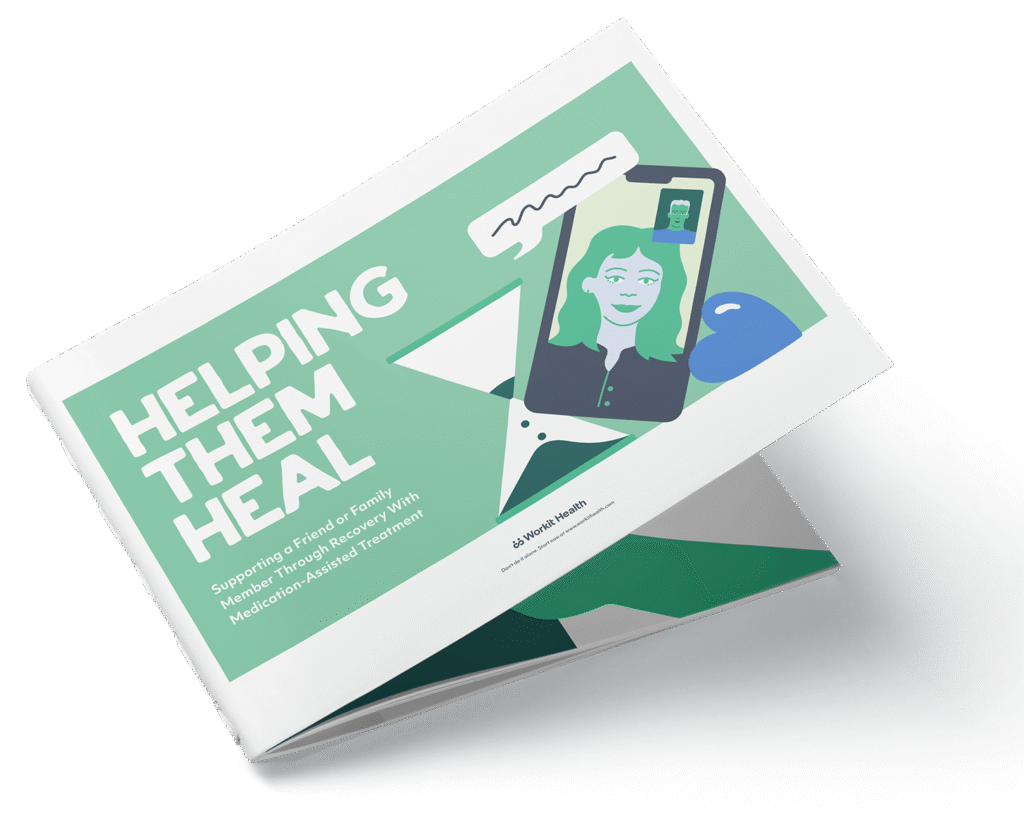
FREE PDF
A conversation can change a life
- How substance use affects the brain
- What people expect from a loved one's recovery vs. what (often) actually happens
- Ways you can support your loved one when they're in active addiction and in recovery
- How medication-assisted treatment functions as part of a recovery plan
- Information about the most common medications prescribed for alcohol and opioid use disorders
Questions family members ask us
FAQ
If you’ve been searching for hours and not getting straight answers, this is for you
They don't think they have a problem. What do I do?
Most people don’t ask for help the first time someone brings it up. Plant the seed without pushing. A single conversation about treatment can take weeks or months to root. Stay connected, keep the door open, and bring it up again calmly when there’s an opening. Don’t try to convince them they have a problem. Instead, tell them what you’ve noticed, name how it’s affecting you, and let them know there’s a path that doesn’t require rehab.
Can I sign my loved one up for Workit?
Treatment is something they have to start themselves. They have to be the one to sign the consent forms, talk to the clinician, and get prescribed medication. And moreover, they have to want something to change in their life.
But you can absolutely send them the link, walk them through what to expect, and sit with them while they sign up. Many of our members started treatment because someone they trusted handed them their phone with the app open.
Should I do an intervention?
Traditional confrontational interventions (the TV version) aren’t consistently supported by research. Sometimes they are a powerful wake-up call … but other times they merely drive the individual away from their loved ones, further isolating them.
Approaches like CRAFT (Community Reinforcement and Family Training), which focus on positive communication, reinforcement, and self-care for the family member, show meaningfully better outcomes. If you’re considering an intervention, work with a coach trained in CRAFT or a similar evidence-based approach, not the version popularized on television.
They've tried treatment before and it didn't work. What's different now?
Relapse is part of recovery for many people, not a sign that treatment failed. The most common reason previous treatment didn’t stick is that it didn’t include medication beyond a quick detox. Medication-assisted treatment (MAT) cuts the risk of relapse and overdose roughly in half. If they were in abstinence-only programs before—even good ones—MAT-based care is a meaningfully different option, not a repeat of what already didn’t work.
They're using fentanyl and I'm scared they'll die. What do I do right now?
Do three concrete things today. First, get Narcan (naloxone). It’s available without a prescription as a nasal spray and reverses opioid overdose. Carry it. Second, tell them you have it. Knowing where Narcan is can save a life. Third, send them the Workit link. Suboxone (buprenorphine/naloxone) blocks fentanyl from binding to opioid receptors and dramatically reduces overdose risk. Treatment can start within days.
What's the difference between Suboxone and rehab?
Rehab as most people think of it usually means inpatient or residential treatment for 30, 60, or 90 days, away from home. It is often abstinence-based.
Suboxone (buprenorphine/naloxone) is a daily medication taken at home. With Workit Health, treatment happens via our app. Your loved one sees a clinician via video, gets a prescription sent to their pharmacy, and continues their normal life.
For most people with opioid use disorder, medication-assisted treatment is the first-line, evidence-based option. Rehab can help in some situations, but isn’t required to start.
How much does Workit cost and will I have to pay for it?
With insurance, most people’s out-of-pocket cost is around $25 to $35 per month. Self-pay is also affordable.
Cost is rarely the barrier people expect, but if it is, your loved one can confirm their coverage in about a minute when they sign up. They handle payment themselves through the app, so you don’t have to navigate billing on their behalf.
They live in a different state. Can they still use Workit?
Workit Health serves select states. View them here. Your loved one can check coverage by entering their state when they download the app. If we’re not in their state yet, they can sign up to be notified when we are.
In the meantime, SAMHSA’s national helpline (1-800-662-4357) or FindTreatment.gov can help locate local providers.
What if they relapse during treatment?
Relapse (returning to use) doesn’t mean treatment failed. It can mean treatment is doing its job by catching the person and adjusting the plan.
Workit’s clinical model treats return to use as clinical information, not a moral failing. The medication keeps working, the team uses what happened to adjust the treatment plan, and your loved one isn’t kicked out for using. Continuity of care through relapse is one of the strongest predictors of long-term recovery.
How do I know if it's a real problem or just heavy use?
Some signals that substance use may be a real problem:
- They’ve tried to cut back or quit and couldn’t
- They’re hiding it
- It’s affecting work, money, or relationships
- They’re using more than they meant to
- They’re using to manage withdrawal between uses
- You’re constantly worrying
You don’t have to make a clinical diagnosis. If you’re worried enough to be reading this page, the conversation is worth having. The conversation doesn’t commit anyone to a label.
Should I tell other family members what's going on?
That’s a personal call, but a few principles help. Tell at least one trusted person so you’re not carrying this alone. Respect your loved one’s privacy where you can. Avoid creating a family dynamic where everyone is monitoring them—secrecy isolates you, but broadcasting can shame them. The middle ground is usually right: one or two people who can hold it with you, on agreed terms.
Where can I get support for myself?
There are many free peer support groups full of people who know what you’re going through. Some include Parents of Addicted Loved Ones, Al-Anon or Nar-Anon, SMART Recovery Family & Friends, and Learn To Cope.
A therapist with experience treating families affected by addiction can also be transformative. Workit Health doesn’t currently provide treatment for family members directly. But caring for someone with a substance use disorder is real, sustained work, and you deserve real support too.