Skip to content

Workit Health Presents: A Dopey Interview of Amy Dresner · Live on YouTube · June 10, 2026 · 7pm est

  • Treatments
    • Opioid Use Disorder

    Start Suboxone treatment online with a licensed provider without judgment.

    • Alcohol Use Disorder

    Flexible goals — moderation or abstinence. Evidence-based, no 12-step requirement

    • Kratom & 7-OH

    Medication options that actually work for withdrawals and cravings.

    Anxiety · Depression · Insomnia · Hepatitis C · And more

    Substance use often goes hand-in-hand with other conditions. Your provider can prescribe for many of these, including anxiety, depression, and insomnia—so you can get back on solid ground. They can even treat hepatitis C and prescribe PrEP for HIV prevention.

    Start treatment
  • Pricing
  • Locations

    Available now

    • Arizona
    • California
    • Florida
    • Illinois
    • Michigan
    • Montana
    • New Jersey
    • New Mexico
    • New York
    • North Carolina
    • Ohio
    • Oklahoma
    • Texas
    • Washington
    Get notified if we open in your state
  • Reviews
  • About
    • About Workit Health

    Our mission, founders, and clinical team.

    • Workit Labs · Research

     Peer-reviewed publications on telehealth addiction care.

    • Blog

    Plain language guides on recovery, medication, and family-support.

    • Careers

    Join the team building the future of addiction care

  • Help Someone
Login
Get started
Get started
  • Login to my account
Treatments
  • Opioid use disorder
  • Suboxone
  • Alcohol use disorder
  • Kratom & 7-OH dependency

whole person care included

Substance use often goes hand-in-hand with other conditions. Your provider can prescribe for many of these, including anxiety, depression, insomnia, hepatitis C, and more—so you can get back on solid ground.

  • Insurance or Self-pay
Locations
  • Arizona
  • California
  • Florida
  • Illinois
  • Michigan
  • Montana
  • New Jersey
  • New Mexico
  • New York
  • North Carolina
  • Ohio
  • Oklahoma
  • Texas
  • Washington
  • Reviews
About
  • About Workit Health
  • Workit Labs · Research
  • Blog
  • Careers
  • Refer a friend
  • Help Someone
Get started

In crisis? Call or text: 988

Home > Blog > A Brief History of Opioid Use

  • Culture

A Brief History of Opioid Use

BY

  • Alaine Sepulveda

UPDATED

  • July 5, 2022
  • Fact-checked & medically reviewed

on this page

Opioids loom large in discussions about substance use, but where did they come from, and why are they such a problem?

We—the nation in general as well as Workit, in particular—talk a lot about the opioid epidemic. But where did it come from? Why is it a larger problem now than in the past?

Opium use has a very long history

Natural opioids are all derived from the opium poppy, which has been cultivated for medical purposes for millennia. Archeological evidence shows that it grew in Mesopotamia, which is sometimes called the Cradle of Civilization, as far back as 5000 B.C., and the Sumerians were using it as an intoxicant around 4000 B.C.

Not all parts of the poppy are narcotic. The flowers are beautiful, and you’ve probably eaten the tiny, black seeds in a muffin once or twice. But if you cut into a round, unripe seed capsule, it will release a white juice that has narcotic effects. When this juice is dried, it is what we call opium.

The opium poppy was introduced to new areas over time. The fossil record shows that it was used in Europe around 2000 B.C. Ancient Greek and Arabic doctors used it for issues as diverse as surgical pain and diarrhea. Laudanum, a tincture of opium, was developed in the 1600s and began to be used as an all-around medical treatment. In the 18th and 19th centuries, recreational use of opium spread (and was sometimes purposely introduced to areas for profit). In 1803, morphine, an alkaloid of opium, was derived for the first time. Later that century, additional alkaloids codeine and papaverine were discovered.

Restricting access

It’s a little hard to imagine dropping into the pharmacy to buy morphine or laudanum without a prescription, like picking up aspirin today. But in the 19th century, that was extremely common.  So common, in fact, that opium addiction became widespread at all levels of American society. Doctors began to seek ways to cure people of their opioid dependence, but the drugs were still easily available.

In the 1880s, Congress began to restrict and levy tariffs on opium imports. In 1914, the Harrison Narcotics Act was passed into law, restricting and regulating drugs derived from opium and coca (the plant that cocaine is made from). According to many analyses, this law was motivated by economics and bias against Chinese immigrants rather than by safety concerns. As often happens when legal means of acquiring a substance is restricted, trade in illegal opioids popped up quickly (much as we saw with alcohol during Prohibition). Illicit opioids like heroin started to be sold illegally, and criminal drug charges became punishable with prison sentences.

Pain management and the rise in prescription opioids

Pain management is a huge part of medicine and quality of life, but it didn’t become a recognized field until the 1960s. Researchers began to understand the impact of pain on physical and mental well-being and to seek solutions. In the 1980s, they thought they’d found that solution in relying heavily upon opioids once more. Pharmaceutical companies pushed hard to encourage a narrative of opioids as harmless and effective. Though opioids were legally controlled substances and required prescriptions, they became easy to get … and easy to become dependent upon. Many people went from having a valid need for pain medication after a surgery or injury to having a full-blown addiction. In 2014, the first lawsuits were filed against pharmaceutical companies that knowingly encouraged doctors to prescribe dangerous opioid medications.

As the dangers of opioid medications became more widely recognized, there was a growing pressure on doctors to prescribe fewer of them. If a doctor wouldn’t prescribe a person opioids in the quantities they needed, they often resorted to other methods, like doctor shopping or using illicit street drugs. Recreational use of opioids had never gone away, so they could be bought illegally. The availability of illicit heroin surged after 2010.

The opioid crisis

Opioid addiction and overdose have reached a point that we commonly refer to it as an “opioid crisis” or “opioid epidemic.” In 2017, the US Department of  Health and Human Services declared a public health emergency around the opioid crisis. The CDC recognizes three waves of opioid overdose deaths:

  • First wave—Prescription medications:  In the 1990s, there was a great increase in clinicians prescribing opioids, and overdose deaths involving prescription opioids began rising from 1999.
  • Second wave—Heroin: Beginning in 2010, there was a surge in the availability of heroin and a correlating rapid increase in heroin-related overdose deaths.
  • Third wave—Synthetic opioids: Since 2013, overdose deaths involving synthetic opioids have been sharply increasing. These are largely due to the advent of fentanyl availability and presence in other drugs.

According to the CDC, provisional data show an estimated 107,622 drug overdose deaths in the United States during 2021, a heartbreaking record high. In 2019, an estimated 10.1 million people misused opioids (of those, 9.7 million people misused prescription pain meds and 745,000 people used heroin). An estimated 2 million Americans meet the diagnostic criteria for opioid use disorder.

The effects of untreated substance misuse are wide-ranging and potentially fatal, including:

  • Increased tolerance, cravings, and dependence resulting in severe withdrawal symptoms
  • Health problems such as difficulty sleeping, heart failure, and increased risk of injury
  • Deficits in working memory
  • The onset of psychiatric disorders such as depression and anxiety
  • Miscarriage, stillbirth, and birth defects, including neonatal abstinence syndrome
  • Spread of infectious diseases like HIV and hepatitis through needle-sharing
  • Chronic unemployment and financial or legal problems

Treatment gaps and accessibility

There are three medications approved by the FDA to treat opioid use disorder, methadone, buprenorphine, and naltrexone. In a medication-assisted treatment (MAT) program, one of these medications is administered under the guidance of a clinician, with behavioral health support like counseling. MAT has shown far greater success in treating opioid use disorder than talk-based programs alone, and is promoted by the Substance Abuse and Mental Health Administration, National Institute on Drug Abuse, World Health Organization, and others.

Despite opioid use disorder being an epidemic-level public health concern and the acknowledgment that MAT is vital, there are large treatment gaps. Care is often least available in areas where the need is the greatest, and many traditional models of addiction care are neither accessible nor effective. These widening treatment gaps affect patients of all backgrounds and lived experiences. We’ve written before about the racial disparities in treatment availability, and it continues to be a concern.

For all of these challenges, there is more hope and help for people with opioid use disorder than ever before. Since the COVID-19 pandemic began, restrictions around prescribing buprenorphine via telehealth eased, making it possible for more people to access care. Organizations exist in many states and regions to provide the opioid overdose reversal drug naloxone (Narcan) for free or at low prices. And many states have earmarked funds they receive from settlements with pharmaceutical companies to go toward opioid education and treatment programs.

If you or someone you know is misusing prescription pain meds, taking recreational opioids, or taking other drugs, which are often adulterated with fentanyl, learn more about the treatment options and support available for opioid use disorder.
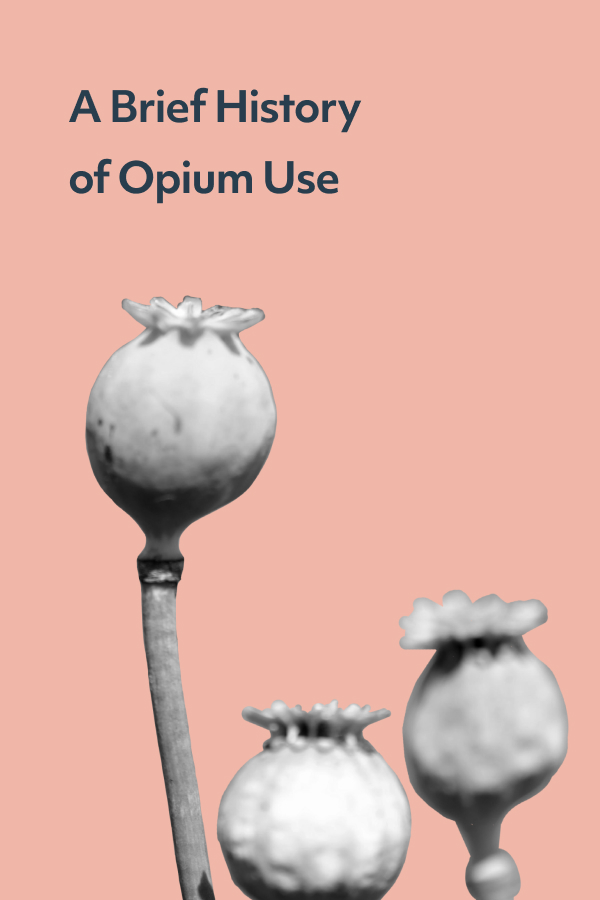

We hear about the opioid crisis all the time, but where did it come from? Here's a brief history of opioid use.
PrevpreviousAlcohol Companies Sponsoring Pride Month is Still the Worst
nextCan You Prescribe Suboxone via Telemedicine?Next

on this page

need help?

Stop the cycle of cravings and withdrawal

  • Suboxone prescribed online*
  • Most major insurance accepted
  • $25–$35/mo with insurance
  • ~2 days to first appointment

*as clinically appropriate

Download the app →

Learn about treatment

PrevpreviousAlcohol Companies Sponsoring Pride Month is Still the Worst
nextCan You Prescribe Suboxone via Telemedicine?Next

ABOUT THE AUTHOR

Alaine Sepulveda is a content strategist in recovery from alcohol. She believes that engaging people and sharing stories with them allows us to spread knowledge, and to help others in the path to recovery. She holds an MA in Communication Studies from New Mexico State University.

ready when you are​

Download the app. Get back to yourself.

Sign up takes about 5 minutes. Most members have their first appointment within 2 days. Covered by most insurance.

Download the app
Learn more

KEEP READING

Why Is Suboxone Taken Sublingually?

Many medications are swallowed, but Suboxone (buprenorphine/naloxone) is taken under the tongue (sublingually) or on the cheek (buccally).

Read now

5 Questions About Online Suboxone Treatment, Answered

Workit Health treats opioid addiction with medication like Suboxone online via telehealth. How do we do it? In this post, we answer several common questions.

Read now

5 Sneaky Alcohol Myths and the Truth Behind Them

If you’ve drink at all, you’ve likely heard rumors and myths about alcohol and hangovers. Let’s go beyond the myths to face facts.

Read now

Any general advice posted on our blog, website, or app is for informational purposes only and is not intended to replace or substitute for any medical or other advice. Workit Health, Inc. and its affiliated professional entities make no representations or warranties and expressly disclaim any and all liability concerning any treatment, action by, or effect on any person following the general information offered or provided within or through the blog, website, or app. If you have specific concerns or a situation arises in which you require medical advice, you should consult with an appropriately trained and qualified medical services provider.

Opioid addiction recovery is easier with medication support

Discreet, accessible treatment for at-home recovery, supported by experts.

Get started today

100% virtual addiction treatment for opioid, alcohol, and kratom use disorders. Evidence-based medication, therapy, and recovery support—from your phone.

hello@workithealth.com

Instagram Linkedin-in Facebook-f Youtube
    • TREATMENTS
    • Opioids
    • Kratom & 7-OH
    • Alcohol
    • Insurance & Cost
    • Locations
    • Get started
    • HELP SOMEONE
    • Help a loved one
    • Refer a friend
    • Recovery blog
    • Narcan guide
    • FAQ
    • COMPANY
    • About
    • Workit Labs · Research
    • Careers
    • Partnerships
    • Contact
    • MEMBERS
    • Login
    • Create account
    • Refer a friend
    • Medical records request form
    • Fax: 833-923-0584
    • Phone: 855-659-7734
AICPA SOC
  • 42 CFR Part 2
  • WCAG 2.1 AA

contact information

Arizona
2501 N Hayden Rd.
Ste 103
Scottsdale, AZ 85257
fax (HIPAA): (833) 664-5441

California
1460 Maria Lane
Ste 300
Walnut Creek, CA 94596
fax (HIPAA): (833) 244-6705

Florida
600 Heritage Dr.
Ste 210, #17
Jupiter, FL 33458
fax (HIPAA): (813) 200-2822

Illinois
1280 Iroquois Ave
Ste 402
Naperville, IL 60563
fax (HIPAA): (833) 664-8715

Michigan
3300 Washtenaw Ave
Ste 280
Ann Arbor, MI 48104
fax (HIPAA): (855) 716-4494

Montana
415 N Higgins Ave
Ste 6
Missoula, MT 59802
fax (HIPAA): (833) 664-5486

New Jersey
5 Greentree Center
Ste 117
Marlton, NJ 08053
fax (HIPAA): (609) 855-5027

New Mexico
5901 Indian School Road, NE
Ste 212
Albuquerque, NM 87110
fax (HIPAA): (833) 664-5701

New York
845 Central Avenue
Ste 204
Albany, NY 12206
fax (HIPAA): (844) 921-1079

North Carolina
3719 Latrobe Drive
Ste 850-M
Charlotte, NC 28211-4827
fax (HIPAA): (984) 375-6710

Ohio
6855 Spring Valley Dr
Ste 110
Holland, OH 43528
fax (HIPAA): (513) 823-3247

Oklahoma
1010 24th Ave NW
Suite 100
Norman, OK 73069
fax (HIPAA): (833) 672-3125

Texas
5373 W Alabama St
Ste 204
Houston, TX 77056
fax (HIPAA): (737) 738-5046

Washington
9116 Gravelly Lake Dr SW
Ste 107 #3, PMB 1963
Lakewood, WA 98499-3148.
fax (HIPAA): (833) 328-1407

suboxone risk & concerns

Suboxone (buprenorphine/naloxone) is indicated for the treatment of opioid dependence in adults. Suboxone should not be taken by individuals who have been shown to be hypersensitive to buprenorphine or naloxone as serious adverse reactions, including anaphylactic shock, have been reported. Taking Suboxone (buprenorphine/naloxone) with other opioid medicines, benzodiazepines, alcohol, or other central nervous system depressants can cause breathing problems that can lead to coma and death. Other side effects may include headaches, nausea, vomiting, constipation, insomnia, pain, increased sweating, sleepiness, dizziness, coordination problems, physical dependence or abuse, and liver problems. For more information about Suboxone (buprenorphine/naloxone) see Suboxone.com, the full Prescribing Information, and Medication Guide, or talk to your healthcare provider. You are encouraged to report negative side effects of drugs to the FDA. Visit www.fda.gov/medwatch or call 1-800-FDA-1088.

© 2026 Workit Health. All rights reserved.
Privacy Policy

Notice of Privacy Practice

Terms of Service

View Accessibility Statement

All clinical and medical services are provided by licensed physicians and clinicians who are practicing as employees or contractors of independently owned and operated professional medical practices that are owned by licensed physicians. These medical practices include Workit Health (MI), PLLC; Workit Health (CA), P.C.; Workit Health (NJ), LLC; Workit Health (OH), LLC; Virtual Physician Practice (NY), PLLC; and any other Workit Health professional entity that is established in the future.

Not ready to start? We'll send you more information:

  • Workit Health

    When I opt in, Workit Health will send information about their program and recovery resources.

    *I agree to receive marketing and member care messages by email. Messaging frequency varies. I can unsubscribe at any time.

    **I agree to receive marketing and member care messages by text (SMS). Messaging frequency varies. Message and data rates may apply. I can opt out at any time by replying STOP. I can reply HELP to receive support. If I do not consent to receive SMS, and Workit Health is unable to reach me by email, I understand that they will not be able to contact me by text.

    Carriers are not liable for delayed or undelivered messages.

    View our Privacy Policy, Terms of Service, and Consent to SMS and Email.

  • Should be Empty:

This site uses cookies to improve your experience. By using this site, you consent to our use of cookies.

Accept Cookies